

Collocations: monetize the player base · aggressive monetization · monetization strategy · ways to monetize · monetized through ads
To find a way to make money from something you've built — usually by adding purchases, ads, or subscriptions directly into how it works. Ex: A free app might monetize by showing ads between levels or selling extra lives.
"It's becoming harder to find a mobile game that hasn't been monetized through ads, loot boxes, or some kind of subscription model."

Collocations: brutal crunch · crunch culture · crunch period · go into crunch · months of crunch
An intense stretch of overtime — sometimes weeks or months long — that teams go through right before a game has to ship. Ex: Some studios still expect staff to work nights and weekends during crunch, even though it's been criticized for years.
"By the final month of crunch, half the team was sleeping at the office just to hit the release date."
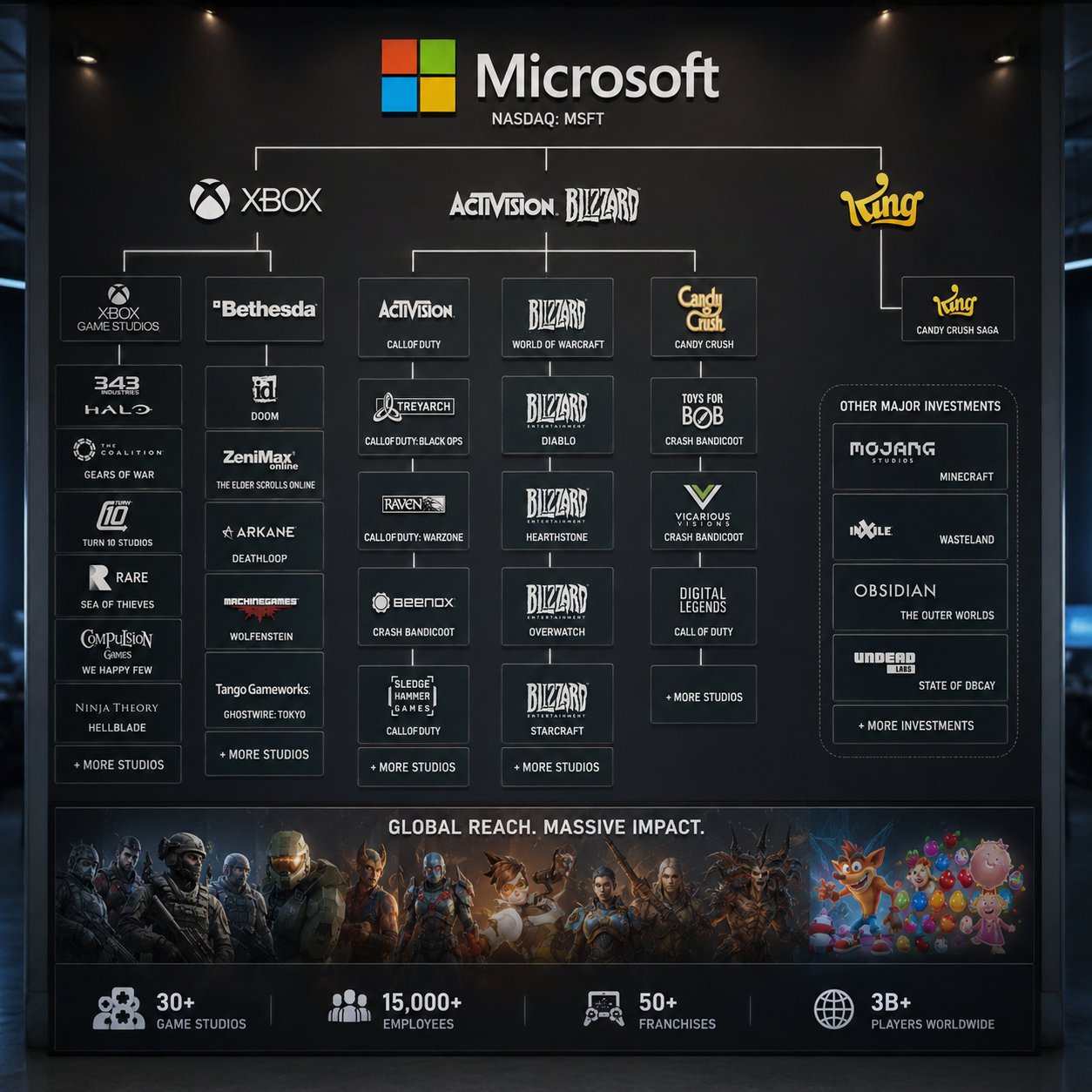
Collocations: industry consolidation · wave of consolidation · market consolidation · ongoing consolidation · consolidation of power
A trend where smaller companies get bought up or merged into bigger ones, until just a handful of giants end up running most of the show. Ex: Consolidation is part of why so many studios you used to think of as independent now belong to the same parent company.
"Consolidation in the industry means a handful of publishers now control most of the big franchises we grew up with."

Collocations: live-service model · live-service game · live-service title · shift to live-service · live-service economy
Describes a game that's designed to keep changing after launch — new seasons, new content, new things to buy — instead of being finished and left alone. Ex: A live-service game might look totally different a year after release, with new characters, maps, or events added regularly.
"They redesigned the entire game as a live-service title, which means it'll keep getting new content — and new ways to spend money — for years."
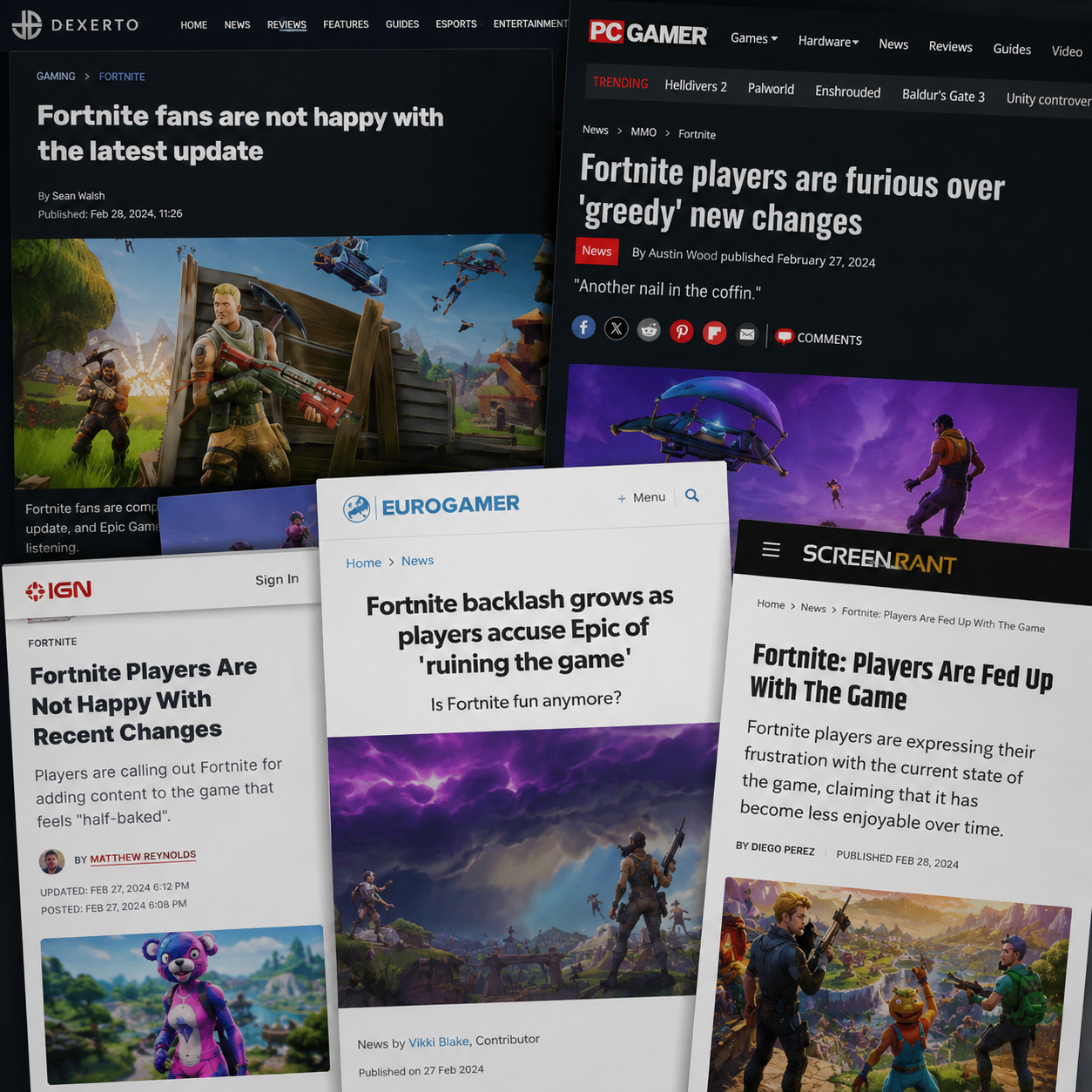
Collocations: swift backlash · public backlash · spark backlash · face backlash · backlash online
A sudden wave of public anger or criticism, usually after a decision that a lot of people feel went too far. Ex: A pricing change can spark so much backlash that a company ends up reversing it within a day.
"The backlash was so intense that the studio had to walk back the changes within forty-eight hours of launch."
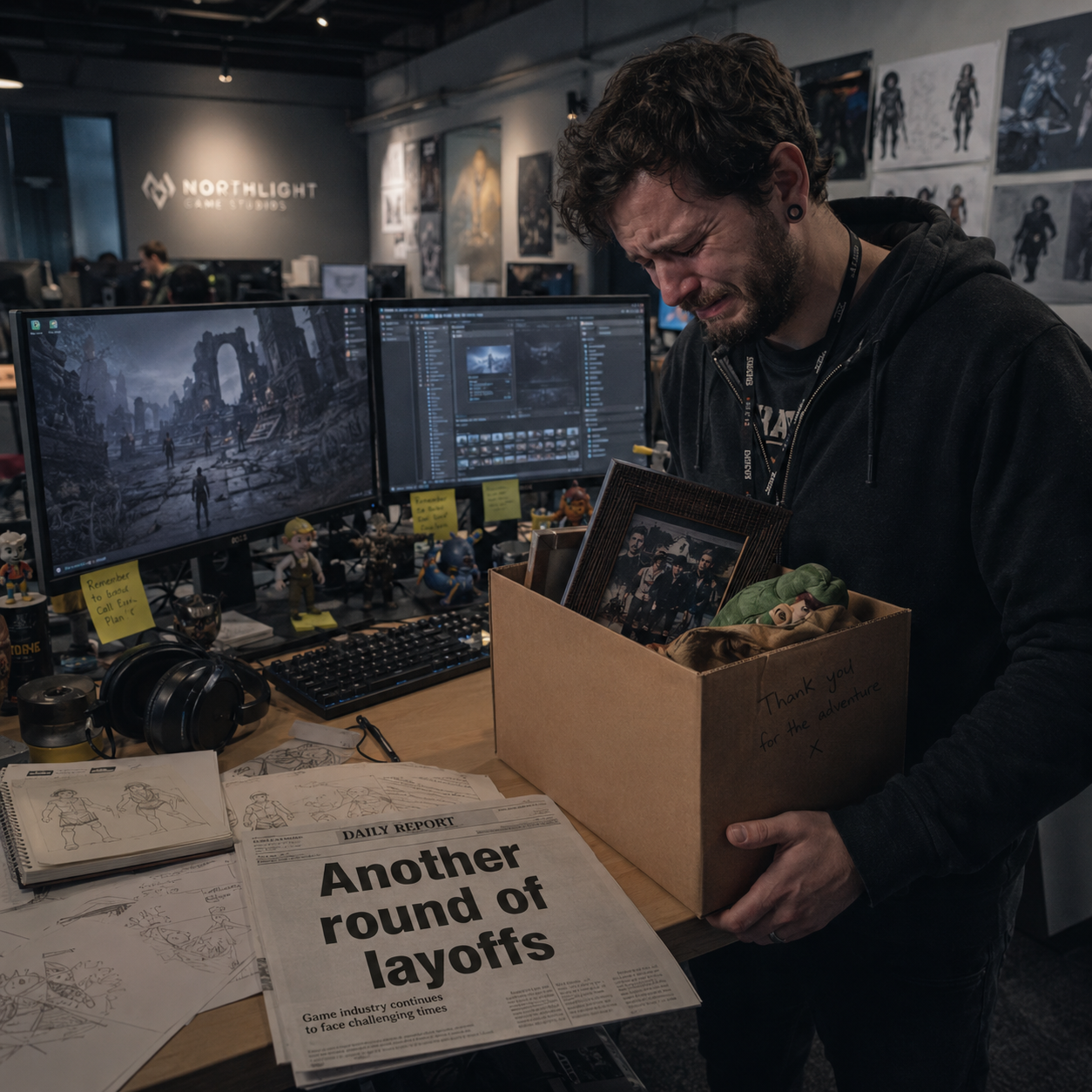
Collocations: mass layoffs · round of layoffs · announce layoffs · hit by layoffs · layoffs across the studio
Job cuts that happen when a company decides to shrink its workforce — often after a merger, a disappointing launch, or pressure to save money. Ex: Layoffs can hit a studio even after one of its games becomes a huge hit, which a lot of people find hard to understand.
"Another round of layoffs hit the studio last week, just months after the game shipped to record sales."

Collocations: beloved franchise · franchise fatigue · long-running franchise · reboot a franchise · franchise installment
A series of games that share characters, settings, or a brand — valuable to a company because fans keep coming back for more. Ex: A successful franchise can spin off into movies, merchandise, and spreadsheets full of profit projections.
"The franchise has been rebooted so many times that newer fans barely recognize the characters from the original games."
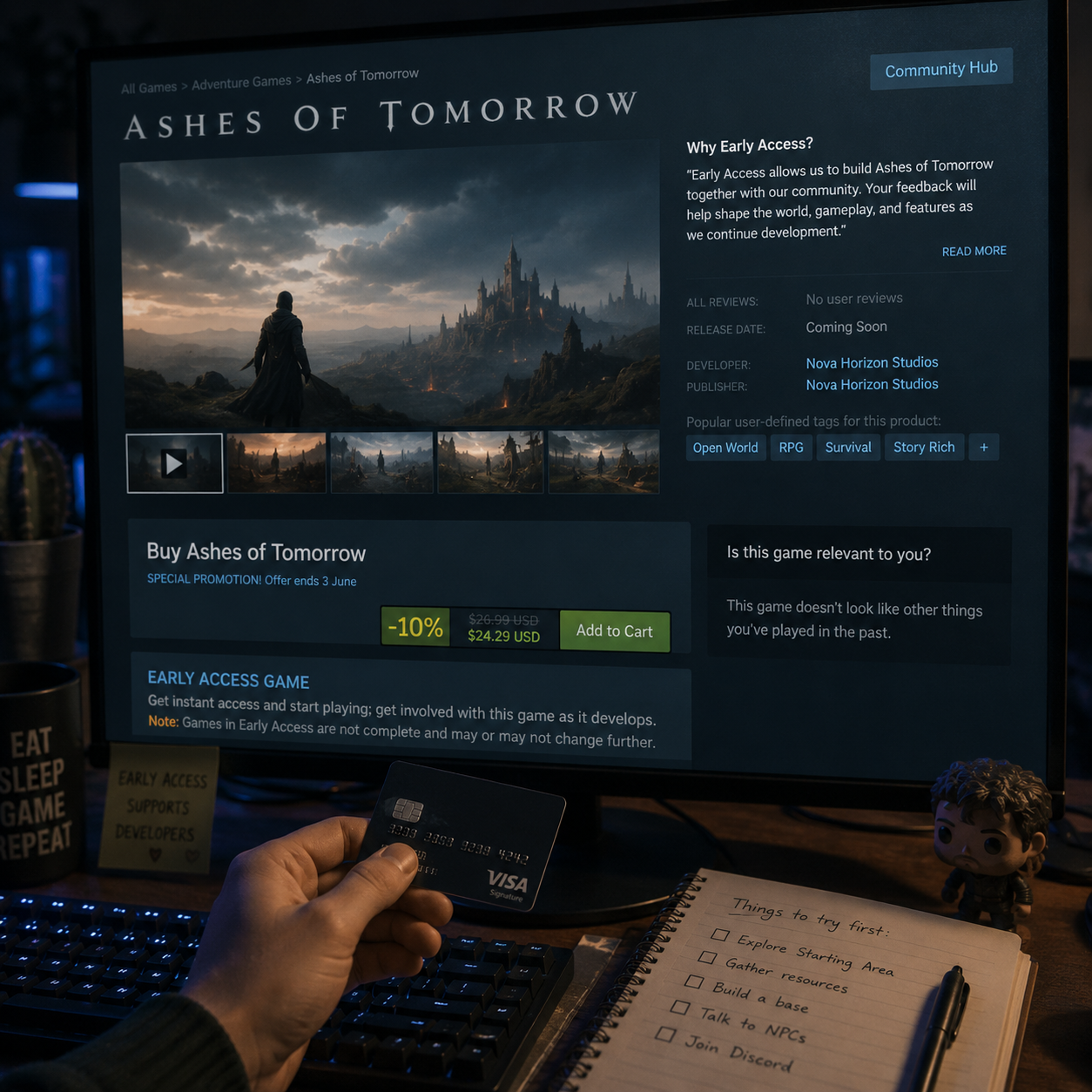
Collocations: launch in early access · early access release · buy into early access · early access period · leave early access
A system where players can buy and play a game before it's finished — sometimes helping fund development and shape the final version through feedback. Ex: Some games stay in early access for years, slowly adding features as the small team behind them keeps working.
"I bought it in early access last year, and honestly, it's barely changed since then."
Hides exactly who made a call. The decision exists, but nobody seems to have actually made it — which is often the point.
"It was decided that the project would be discontinued, with resources reallocated to other priorities."

A softened way of saying "people lost their jobs" without saying it directly — "impacted" does a lot of quiet work here.
"As part of this transition, certain roles across the studio have been impacted."
Steers attention away from whatever just went wrong and toward a brighter-sounding plan — a classic move right after bad news.
"Going forward, our focus will be on delivering experiences that resonate with our most engaged communities."
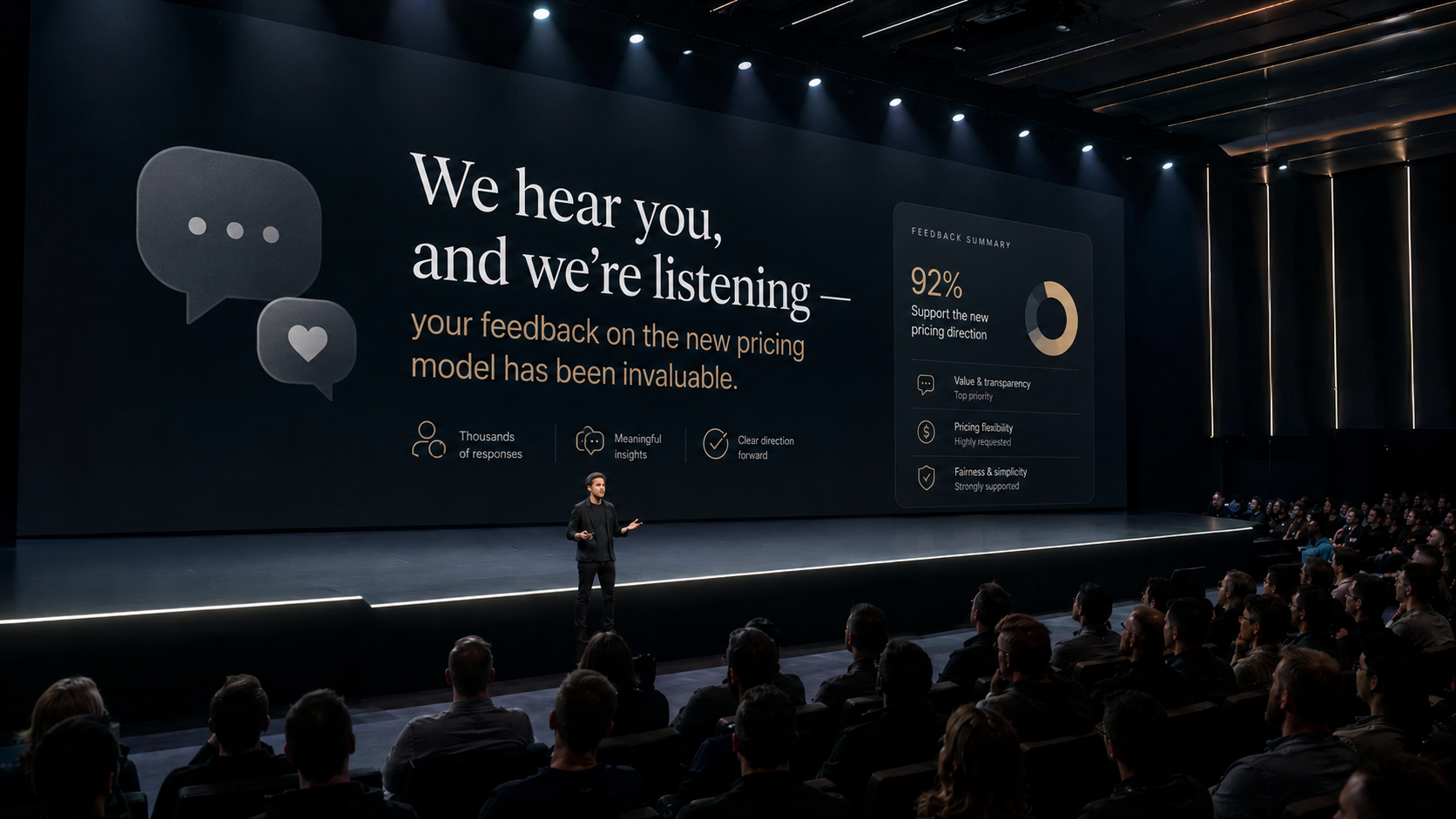
Sounds responsive without promising anything specific — useful for calming people down while buying time to figure out what to actually do.
"We hear you, and we're listening — your feedback on the new pricing model has been invaluable."

Adds emotional weight to an announcement — suggesting real struggle behind the scenes — even when the outcome for the people affected doesn't change at all.
"The decision was not made lightly, and we recognize the impact this will have on those affected."
The opposite move — a critic or journalist stripping away the soft corporate phrasing and naming the situation in plain terms.
"Let's call this what it actually is — a company posting record profits while cutting hundreds of jobs."

Pushes back directly against vague, passive phrasing by demanding a name and a reason — the question corporate language is usually designed to dodge.
"Who, exactly, made this call, and why weren't the people affected told before the press release went out?"

Signals that the literal wording of a statement isn't the whole story — and invites the listener to work out what's really being said.
"If you read between the lines of that statement, what they're really saying is that more cuts are coming."
💡 Language Focus — Passive Voice & the Language of Corporate Distance
When companies have difficult news to share — job cuts, cancelled projects, price hikes — they often reach for language that spreads responsibility thin, or removes it completely. Passive voice, vague nouns, and forward-looking pivots all do the same job: they let an announcement sound calm and official, without anyone having to say "we did this, and here's why."
Active voice
subject + verb + object"The company laid off 200 people."Passive voice
object + be + past participle (+ by…)"200 roles were eliminated."Nominalization
turning a verb into an abstract noun"A workforce reduction was announced."Same news, increasing distance — watch what disappears at each step
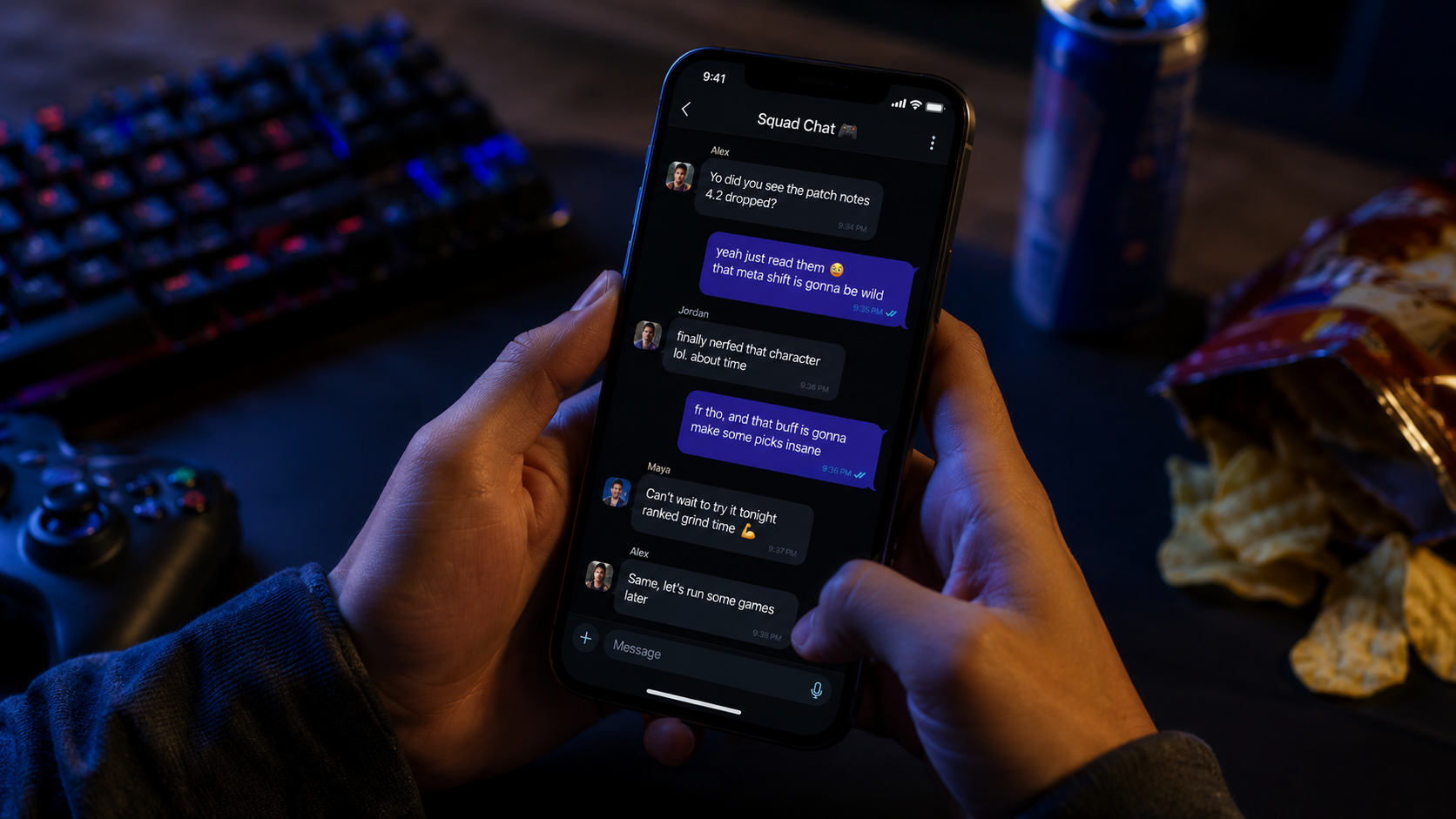
"ok so apparently the studio that made that game just announced ANOTHER round of layoffs?? like the game did so well too, i don't get it. feels like every month it's a different studio getting hit. also did you see the new monetization in that other game? it's so aggressive now, i genuinely can't open a menu without something trying to sell me a bundle. honestly i think we're hitting real franchise fatigue at this point, like how many remasters do we actually need lol"

"What's interesting about this latest wave of consolidation is that it's reshaping how games even get made. When three or four publishers control most of the big franchises, you start to see a much narrower range of live-service titles getting greenlit, because that's where the predictable, long-term revenue is. The risk, of course, is that the kind of crunch culture we've criticized for years just gets baked even deeper into the system, because now there's even more pressure to hit quarterly numbers."

"The studio's decision to launch its flagship title in early access has drawn a mixed response from critics and players alike. While some have praised the transparency of an iterative development process shaped by community feedback, others argue that the move simply shifts the burden of testing — and the cost of crunch — onto the people least equipped to absorb it. The backlash following last month's price announcement suggests that audiences are growing increasingly skeptical of how the industry frames these decisions."
| Context | Distance Level | Example |
|---|---|---|
| Corporate press release Official company statement |
High — maximal distance | "It was decided that a number of roles would be impacted as part of a broader organizational realignment." |
| Industry analyst report Formal written analysis |
High — measured | "The reduction in headcount reflects a wider trend toward consolidation across the sector." |
| Trade journalism Neutral, accessible |
Moderate — balanced | "The studio confirmed plans to cut roughly 200 positions, citing the need to 'streamline operations.'" |
| Podcast commentary Semi-formal, discursive |
Low — direct but careful | "They're basically laying people off right after a record quarter — and calling it a 'realignment.'" |
| Social media / public debate Informal, direct |
Minimal / None — blunt | "Another studio just fired 200 people the same week they bragged about record profits." |
I used to pre-order everything from the big studios — the new click to fill entry, day one, no questions asked. But somewhere along the way I started noticing the same pattern over and over: a game ships, and within weeks it's been redesigned around new ways to click to fill every little thing, like the actual game was just the delivery system for the store.
Then there's the click to fill problem. Studios promise these games will keep getting content "for years," which sounds great until you realize what it actually means: the team behind it is now stuck in permanent click to fill, pushing out updates on a schedule that never really ends. And every few months you read about another round of click to fill at the very same company that just told investors everything was going great.
Honestly, I think a lot of this comes down to click to fill — when a handful of publishers own most of the franchises you grew up with, there's less reason for any of them to actually listen once the click to fill starts. These days, if I buy anything at all, it's something small and independent in click to fill, where I can actually see what I'm paying for before the marketing machine kicks in.
Match the Term to Its Definition
Click a term on the left, then find the definition on the right that matches it.
Shift the Register
Each sentence below is something you might say to a friend. Pick a more neutral, professional phrase from the bank, then click the blank to turn it into something you'd read in a news report.
Spot the Issue
Is the phrasing in each statement appropriate, or does it cross the line into evasive corporate-speak? Consider clarity, accountability, and how a reasonable reader would react.