



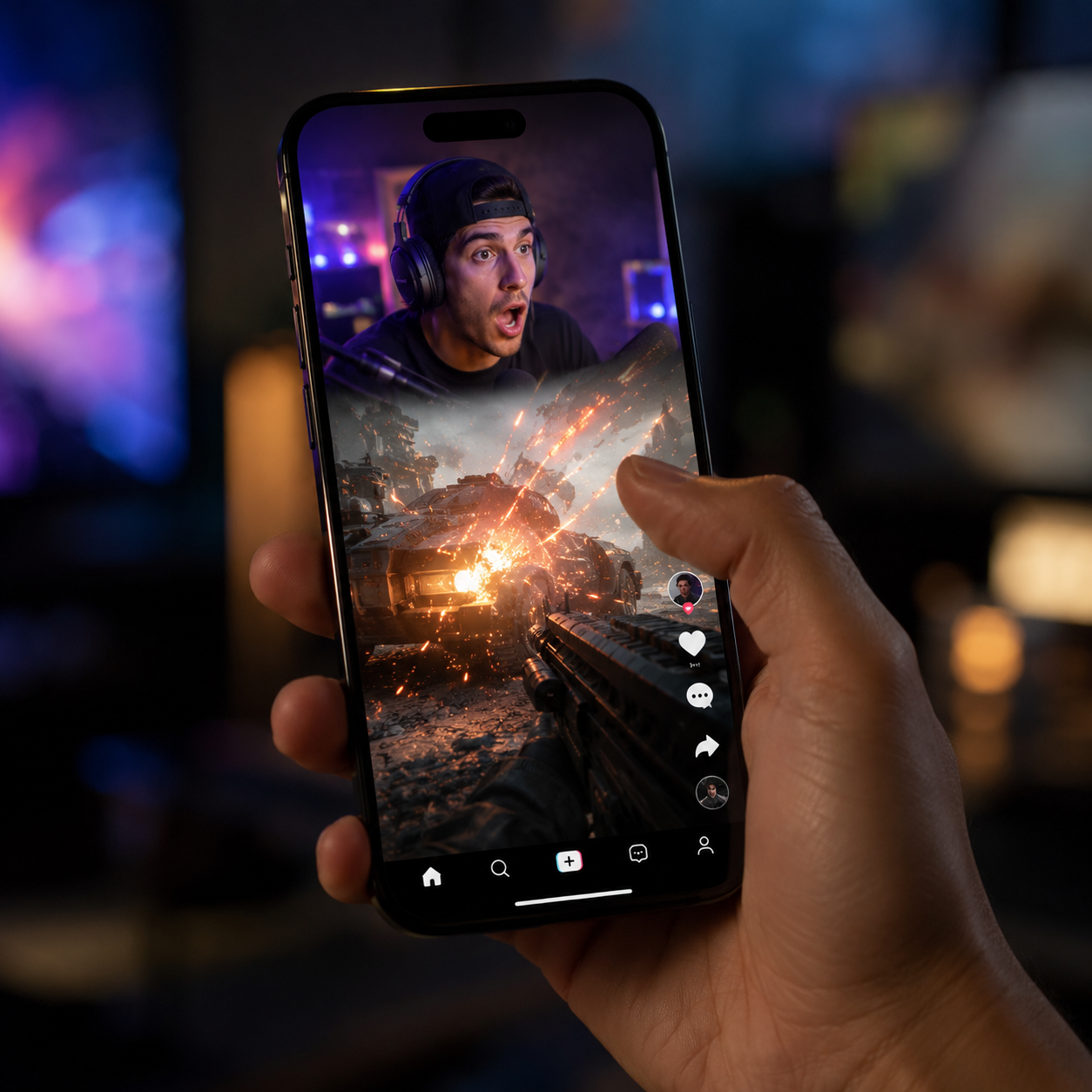
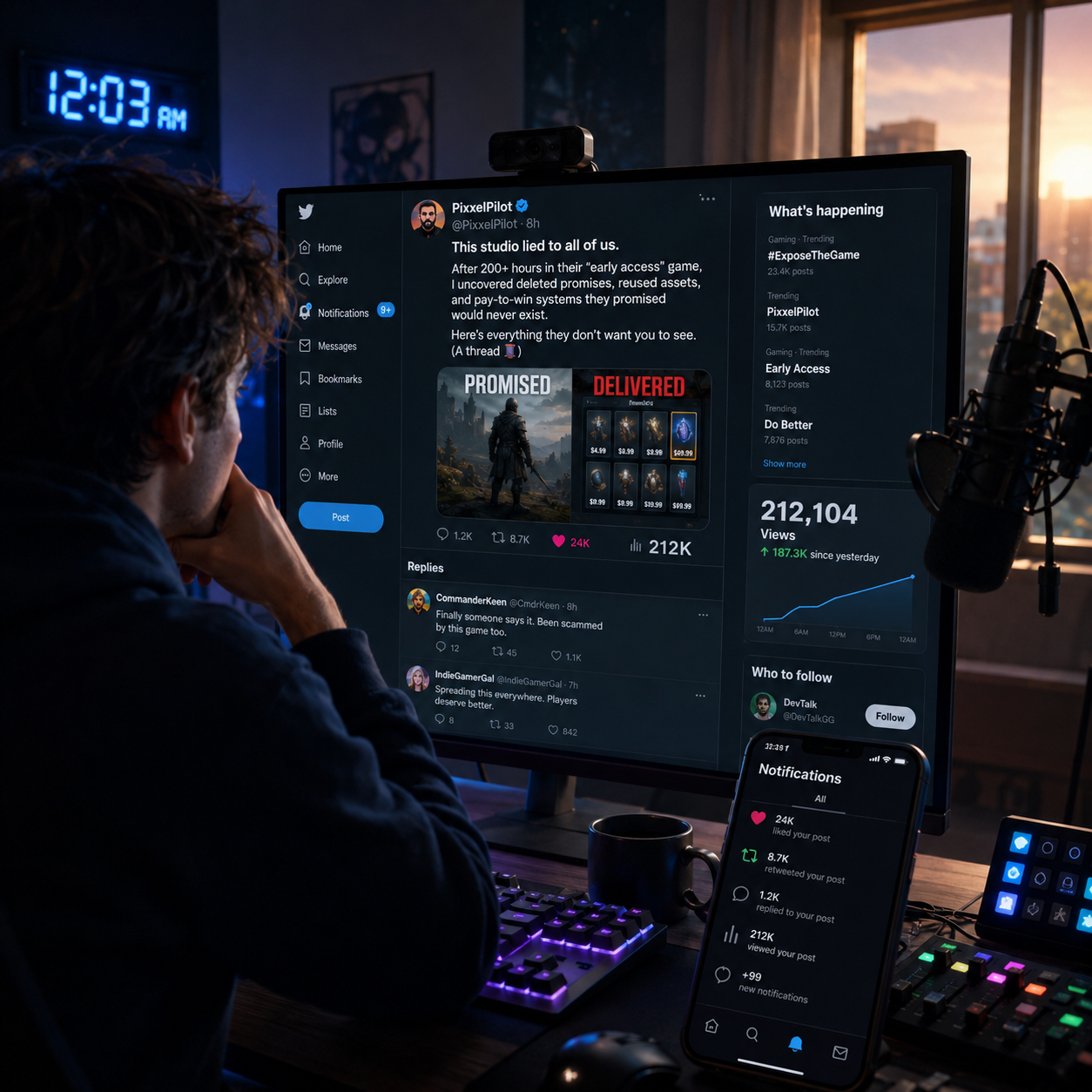


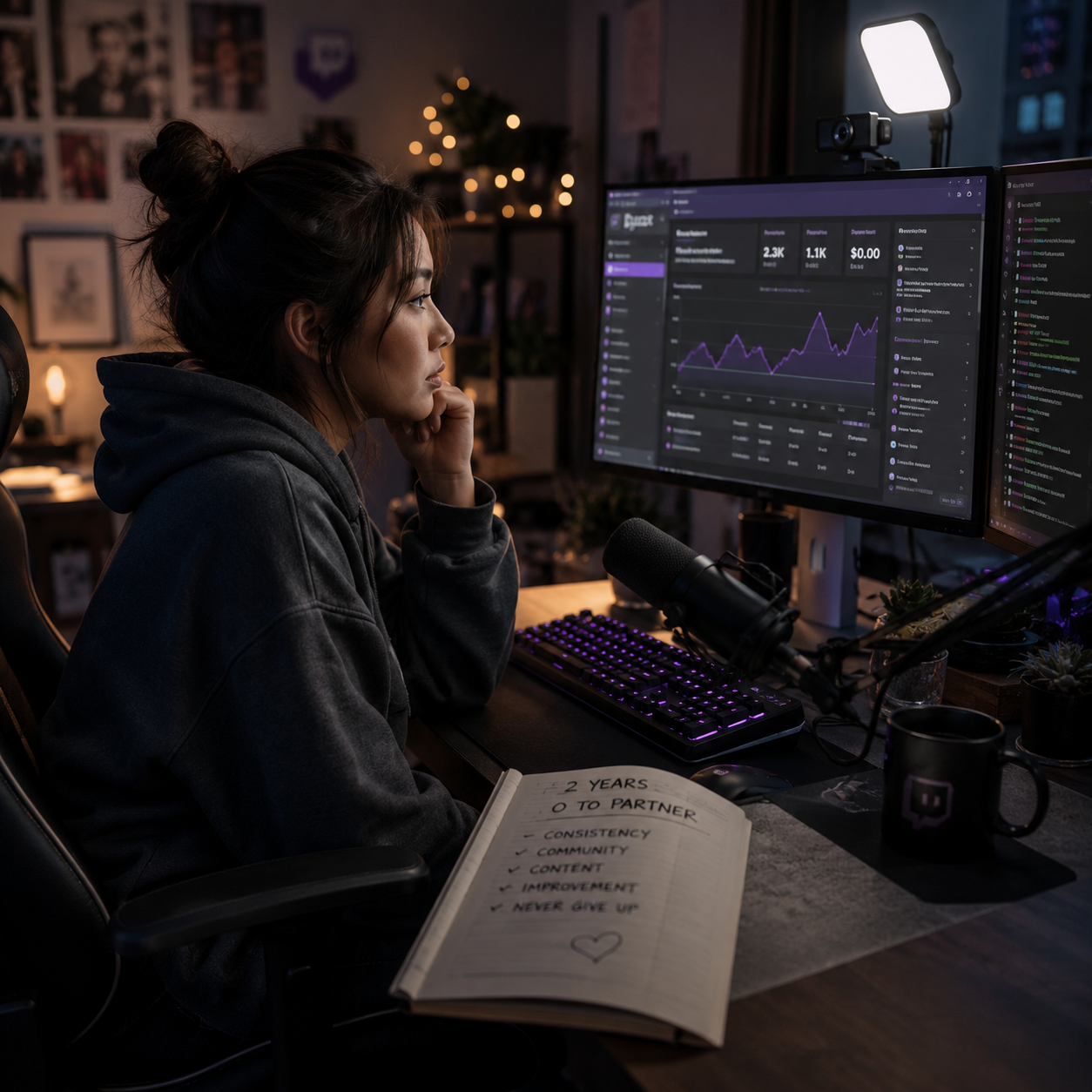









"Contemporary streaming culture runs on a small, recognizable set of rhetorical moves, repeated so often that audiences barely register them as persuasion at all. A creator opens with a hook calculated to survive the first three seconds of a scroll, builds momentum through anaphora and the rule of three, then closes the loop with a direct appeal to the very audience it has just spent several minutes constructing. None of this makes the appeal insincere — but it does mean that what looks like spontaneous connection is, more often than not, a carefully rehearsed structure wearing the costume of authenticity."

"Honestly, the biggest thing people get wrong is thinking charisma is something you either have or you don't. It's not — it's a set of tools, and you can absolutely learn them. Repetition in threes. Speaking directly to one imagined viewer instead of a faceless crowd. Telling a true story about yourself before you ever ask anyone for anything — that's just ethos, building trust before you make the ask. None of that is manipulation, in my opinion — it's just knowing how to be heard in a room full of people shouting."
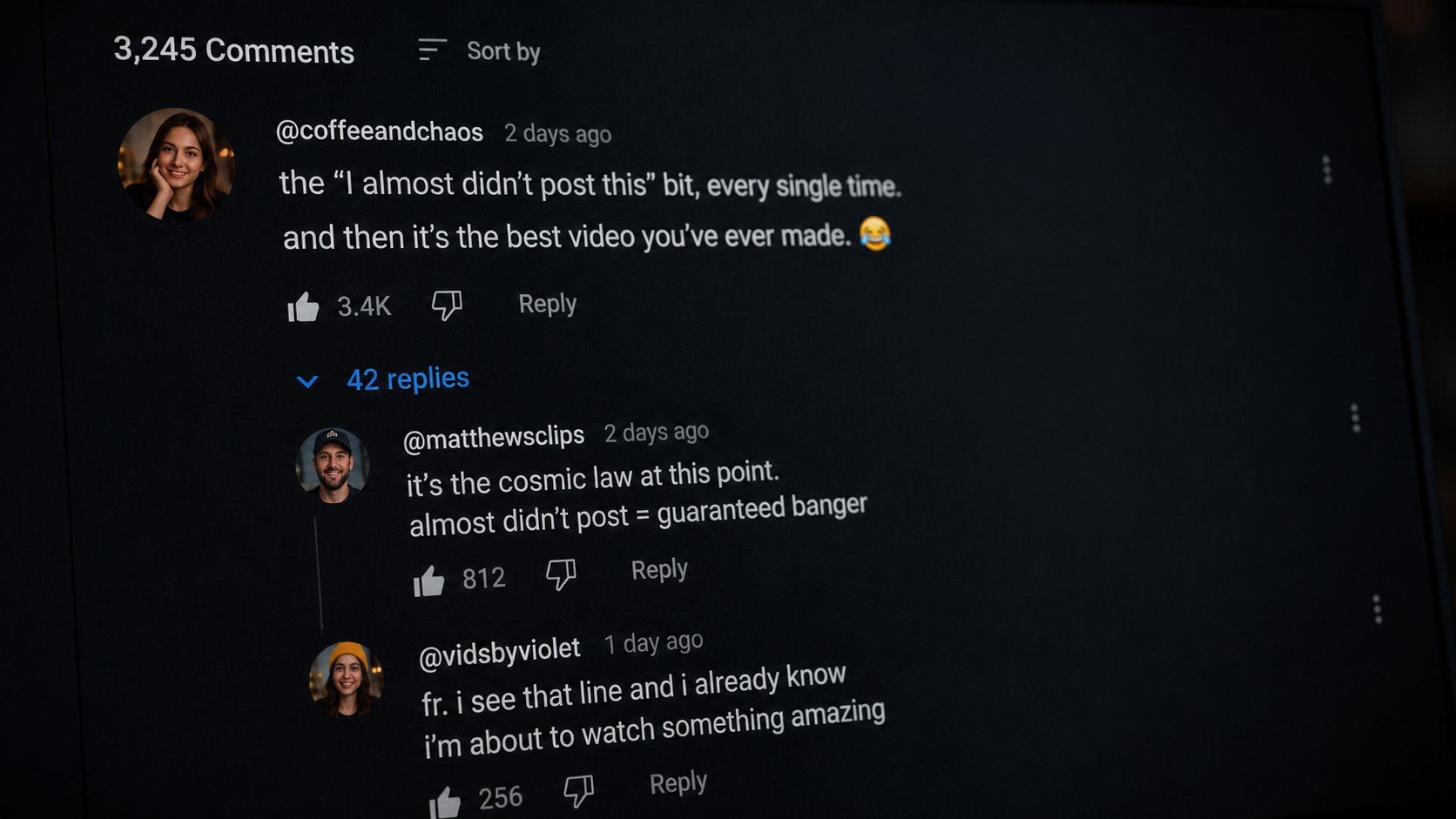
"ok but has anyone else noticed every single streamer says some version of 'i almost didn't post this' right before the thing that obviously took them three weeks to plan?? like we see you. the 'i'm just a small creator' bit hits different when you've got 400k followers lol. not even mad about it, it clearly works, just funny how predictable it's gotten"
| Context | Typical Stance | Example |
|---|---|---|
| Media studies lecture Formal, analytical, observational |
Highly formal | "The appeal functions, in effect, as a carefully rehearsed structure wearing the costume of spontaneity." |
| Industry interview / press Reflective, semi-formal account |
Highly formal | "We found that opening on a direct question consistently held attention longer than opening on a statement." |
| Creator panel / podcast Conversational, confident, a little defensive |
Semi-formal | "It's not magic — it's a toolkit, and honestly, anyone can learn to use it." |
| Stream chat / live commentary Informal, immediate, performative |
Semi-formal | "okay THAT was the hook of the century, no notes" |
| Comments / forum thread Informal, blunt, often a little mocking |
Informal / emotional | "the 'i almost didn't post this' bit again?? we SEE you bro" |
For the first year, almost nobody watched. I obsessed over the click to fill — the first three seconds — convinced that was the only thing standing between me and an audience. It helped a little, but not nearly as much as I thought it would.
What actually changed things was a quiet click to fill. I'd been making generic gaming clips because that's what everyone else was doing, and one day I just stopped, and started making videos about the weird side conversations that happen mid-game instead. That's when click to fill really started climbing — not views exactly, more like comments, the kind where people actually talk to each other in the replies.
I also had to work out what my on-camera click to fill even was. I'm louder and faster on stream than I am in real life, and for a long time that felt fake. Eventually I realized the gap mattered less than I'd worried — what mattered more was click to fill, and that's not quite the same thing as never performing. It's more about whether the performance still feels like you underneath it.
I went through one ugly click to fill early on, too — somebody made a video about something I'd said two years before, and for about a week it felt like the whole internet was talking about me, for all the wrong reasons. Good lesson in how fast click to fill can turn into something you never actually asked for. These days the channel can finally click to fill — sponsorships mostly, plus a small membership thing — but that took about three years of doing it for free first.
Match the Line to What It's Doing
Click a line on the left, then find the description on the right that matches what it's actually doing to the listener.
Name the Device
Each quote below relies on one rhetorical device in particular. Pick the matching name from the bank, then click the blank to complete the analysis.
Evaluate the Technique
Is the rhetorical move in each line used well, or does it have a problem? Consider overuse, register clashes, and whether the appeal feels earned or manipulative.