

Collocations: cultural identity · collective identity · identity formation · sense of identity · contested identity
Who you are — the mix of background, beliefs, and groups that make you, you. It's not one fixed thing; it changes as you grow and meet new people. Ex: Being a gamer might be a big part of someone's identity, the same way being a musician is for someone else.
"Gaming's a huge part of my identity now — it's not just something I do for fun, it's kind of who I am."
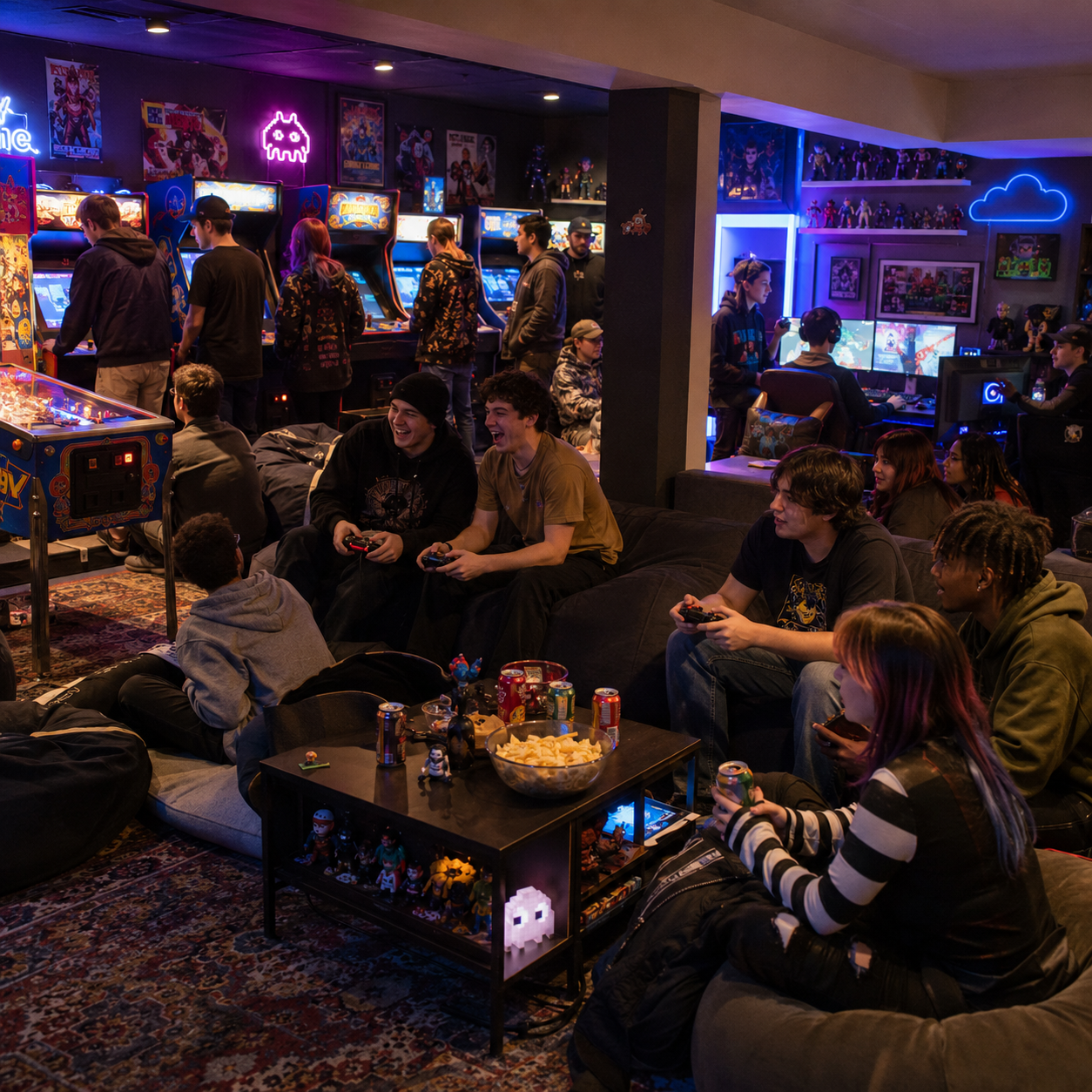
Collocations: gaming subculture · subculture formation · countercultural · mainstream vs subculture · subcultural identity
A smaller group inside a bigger society that has its own style, habits, and way of talking — often a bit different from the "mainstream." Ex: Gamers used to be seen as their own subculture, with slang and inside jokes that outsiders just didn't get.
"Gaming used to be this little subculture — just a bunch of people in arcades and basements. Now it's everywhere."
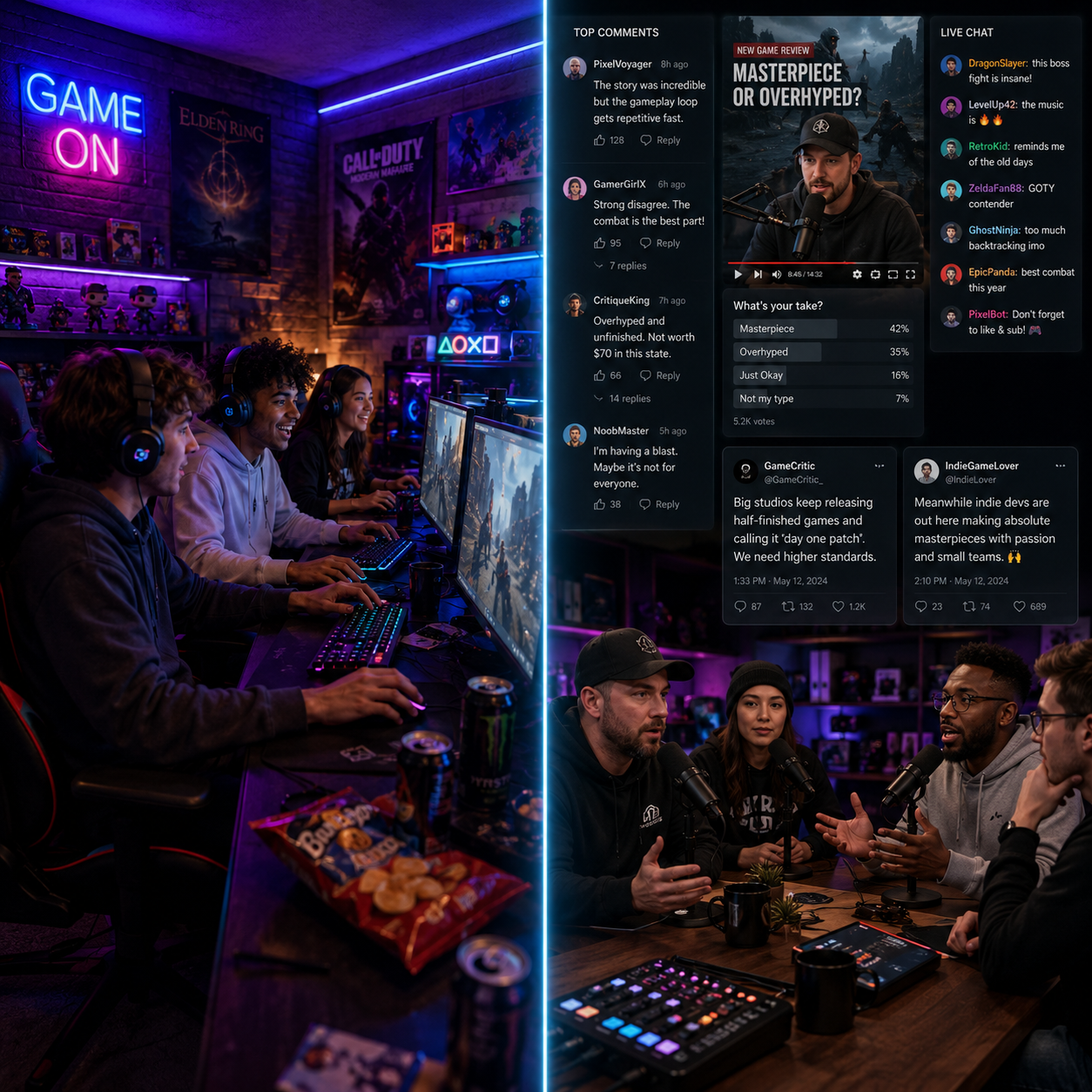
Collocations: cultural discourse · public discourse · dominant discourse · shift in discourse · discourse around X
The way people talk and write about a topic — the opinions and attitudes that keep coming up whenever it's discussed. Ex: Twenty years ago, the discourse around gaming was mostly negative — today people are more likely to talk about it as a real art form.
"The discourse around gaming has really changed — people used to panic about it, but now they actually talk about it as art and culture."

Collocations: social stigma · attached/associated stigma · carry a stigma · stigmatised · erode/challenge stigma
A negative label that society attaches to something, making people feel ashamed of it — even when it's not actually harmful. Ex: There used to be a stigma around being a "gamer" — people assumed it meant you were lazy or had no friends.
"There's still a bit of stigma around gaming — like people assuming it's childish or a waste of time — but it's way less than it used to be."
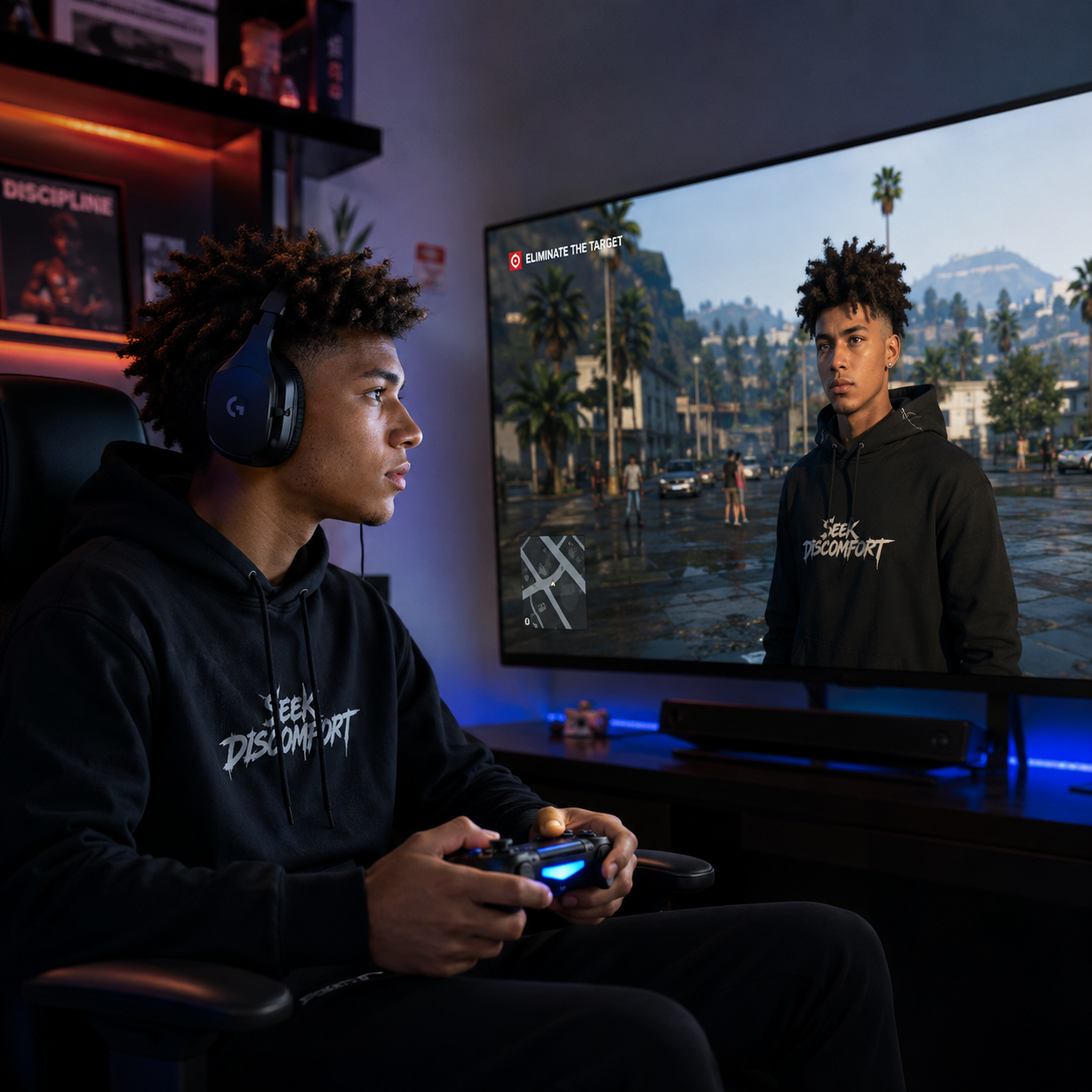
Collocations: media representation · diverse representation · question of representation · under-representation · misrepresentation
How a group of people is shown in movies, games, or the news — and whether that picture feels accurate and fair. Ex: Fans keep asking for better representation in games — more characters who actually look and feel like them.
"People care a lot more about representation in games now — like who the main characters are and whose stories actually get told."
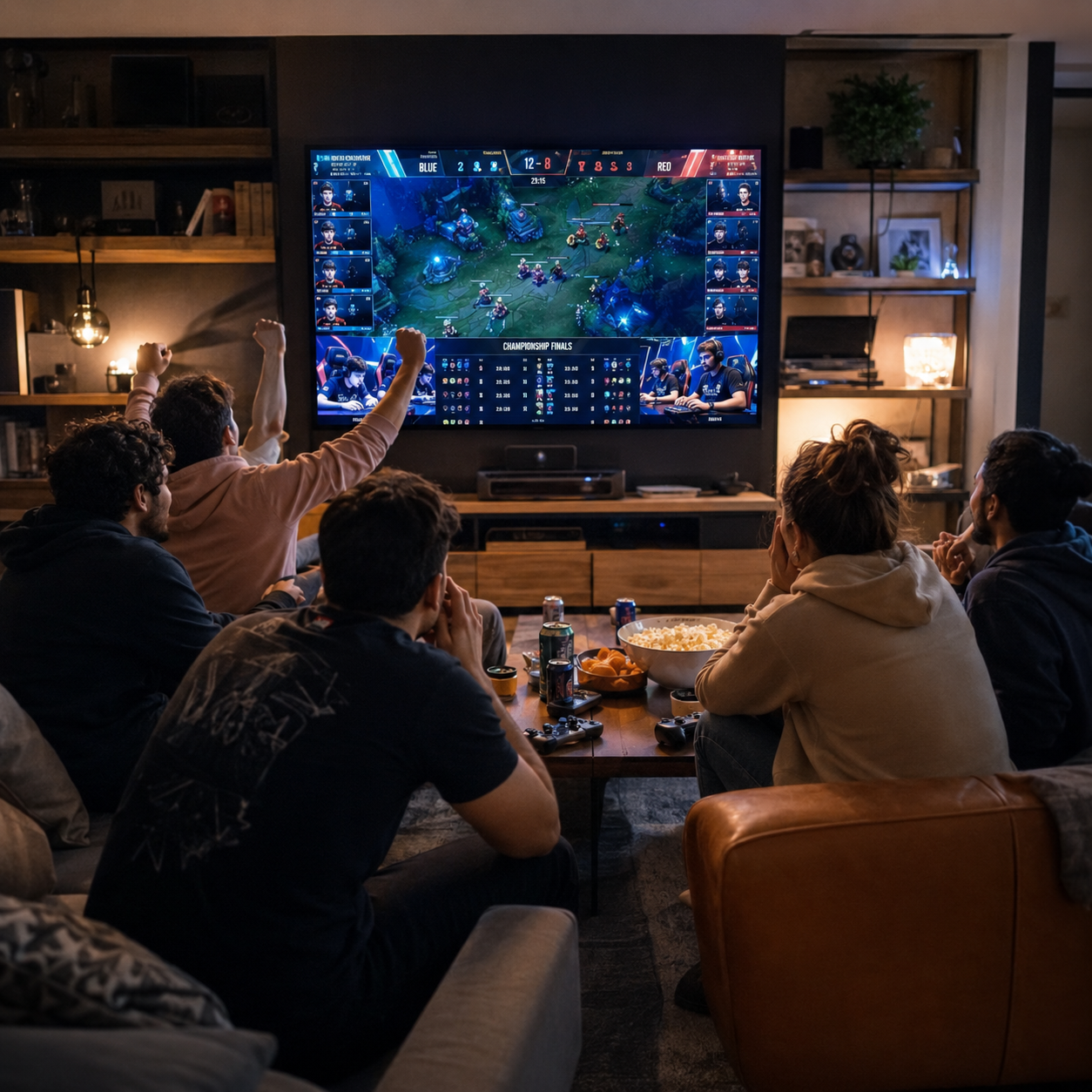
Collocations: cultural legitimacy · claim legitimacy · legitimacy of X · afford/deny legitimacy · contested legitimacy
Being taken seriously and accepted as "real" — instead of being dismissed as silly or unimportant. Ex: Esports has slowly earned legitimacy — it's now shown on TV and treated like a real sport.
"Nobody really questions gaming's legitimacy as an art form anymore — the bigger question is who gets to decide what counts as 'good.'"

Collocations: commodify culture · commodification of X · commodified identity · commercial commodification · resist commodification
To turn something — a culture, a style, an idea — into a product that companies can sell for profit. Ex: Some fans feel brands have commodified gaming culture — slapping gamer logos on T-shirts just to make money.
"Some people think big companies have commodified gaming culture — basically slapping a logo on it and selling it back to us."
Collocations: subtle nuance · lack of nuance · require/demand nuance · nuanced argument · fail to capture nuance
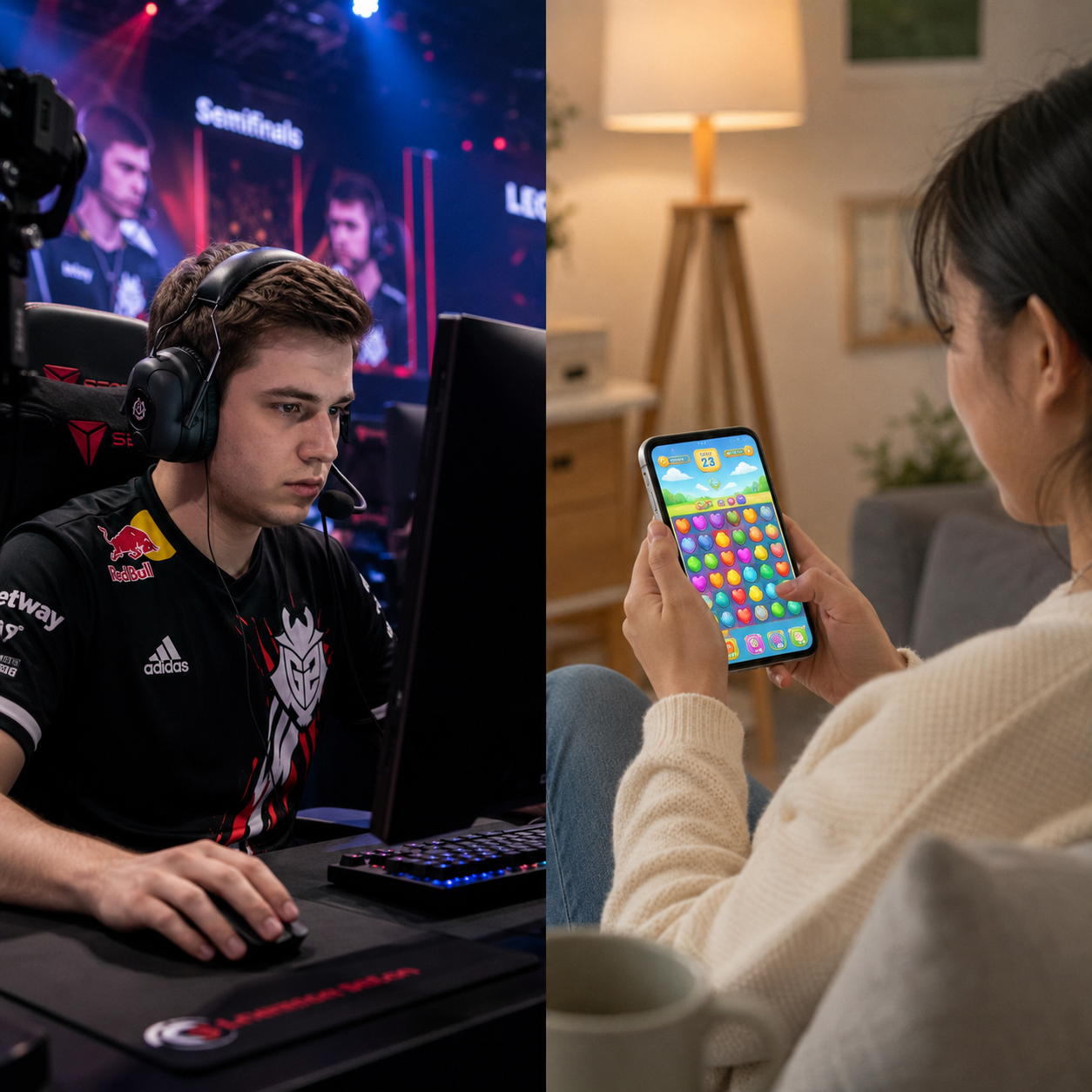
A small but important difference in meaning or detail — the kind of thing you miss if you only look at the big picture. Ex: Saying "all gamers are the same" misses the nuance — a casual mobile player and a pro esports athlete live very different lives.
"You really need some nuance when you talk about gaming culture — a pro esports player and someone who plays Candy Crush on the bus live pretty different lives."
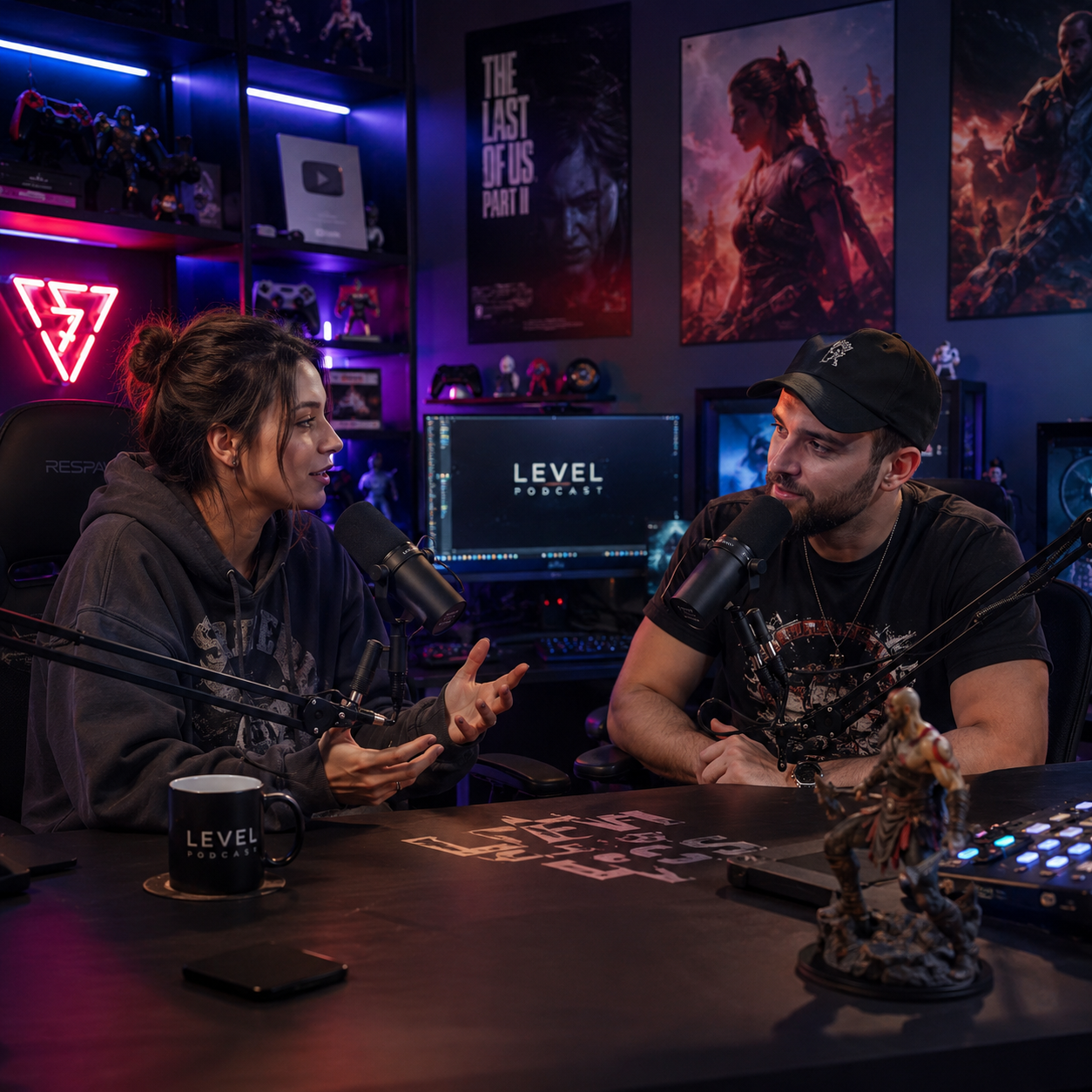
A soft way to give an opinion. Instead of saying "this is true," you say "here's one way to look at it" — which leaves room for other views.
"It could be argued that gaming becoming so popular hasn't really answered the identity question — it's just changed what we're arguing about."

Describes a pattern carefully, without claiming it always happens. Safer (and more accurate) than saying "everyone" or "always."
"There is a tendency for big brands to commodify gaming culture — turning what used to feel personal into something they can just sell."

Says something is partly true. You agree with an idea, but not 100% — it shows you've thought about its limits, not just the headline.
"To some extent, this suggests that the stigma around gaming hasn't disappeared — it's just moved onto certain types of games or certain communities."
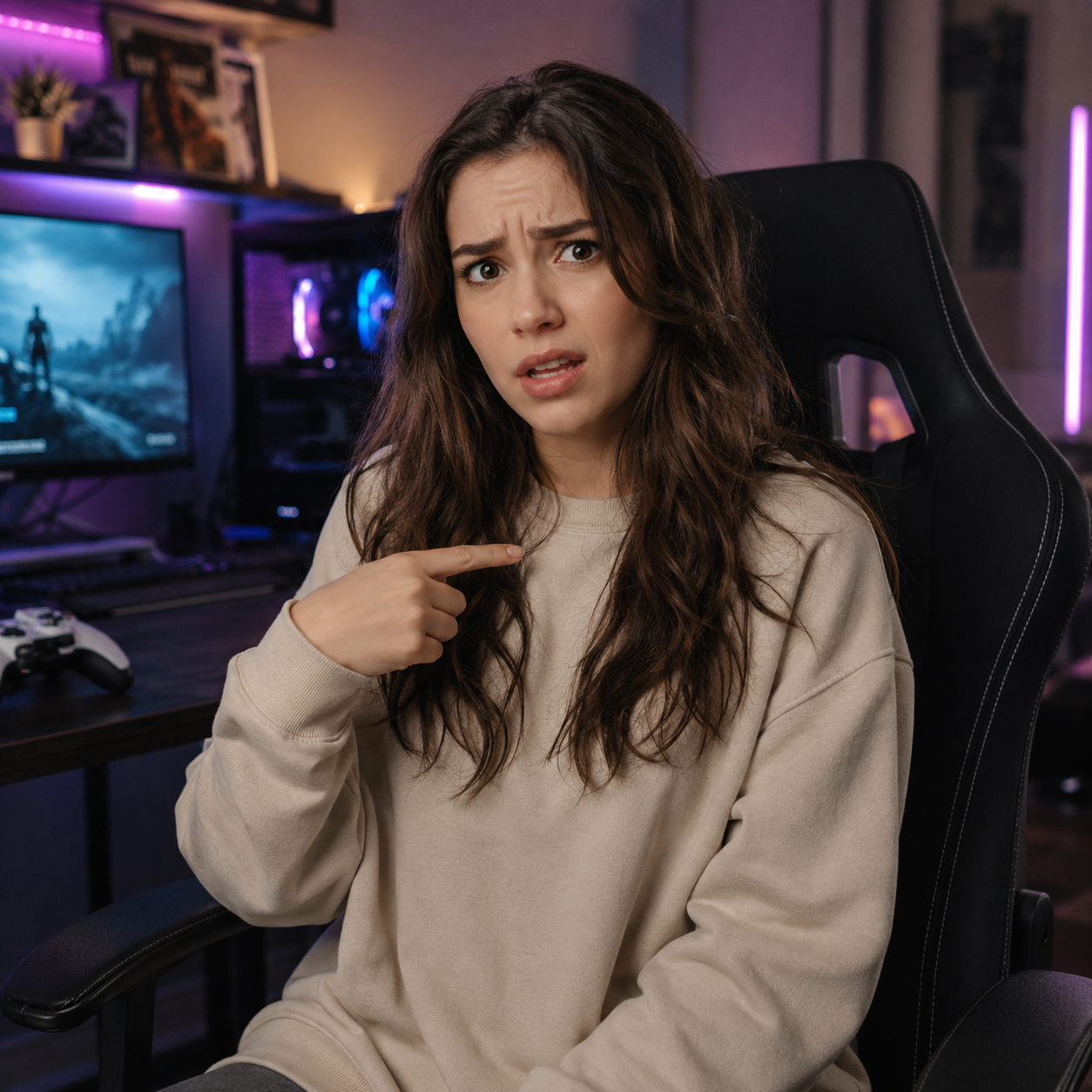
A polite way to challenge an idea. Instead of saying "that's wrong," you raise a doubt and let the listener think it through for themselves.
"One might question whether calling yourself a 'gamer' even means as much these days, since pretty much everyone plays games now."

A careful way to say "the facts point this way" — but with a touch of doubt added, because the evidence isn't 100% certain yet.
"The evidence would seem to indicate that younger gamers feel a lot more relaxed about their gamer identity than older generations did."
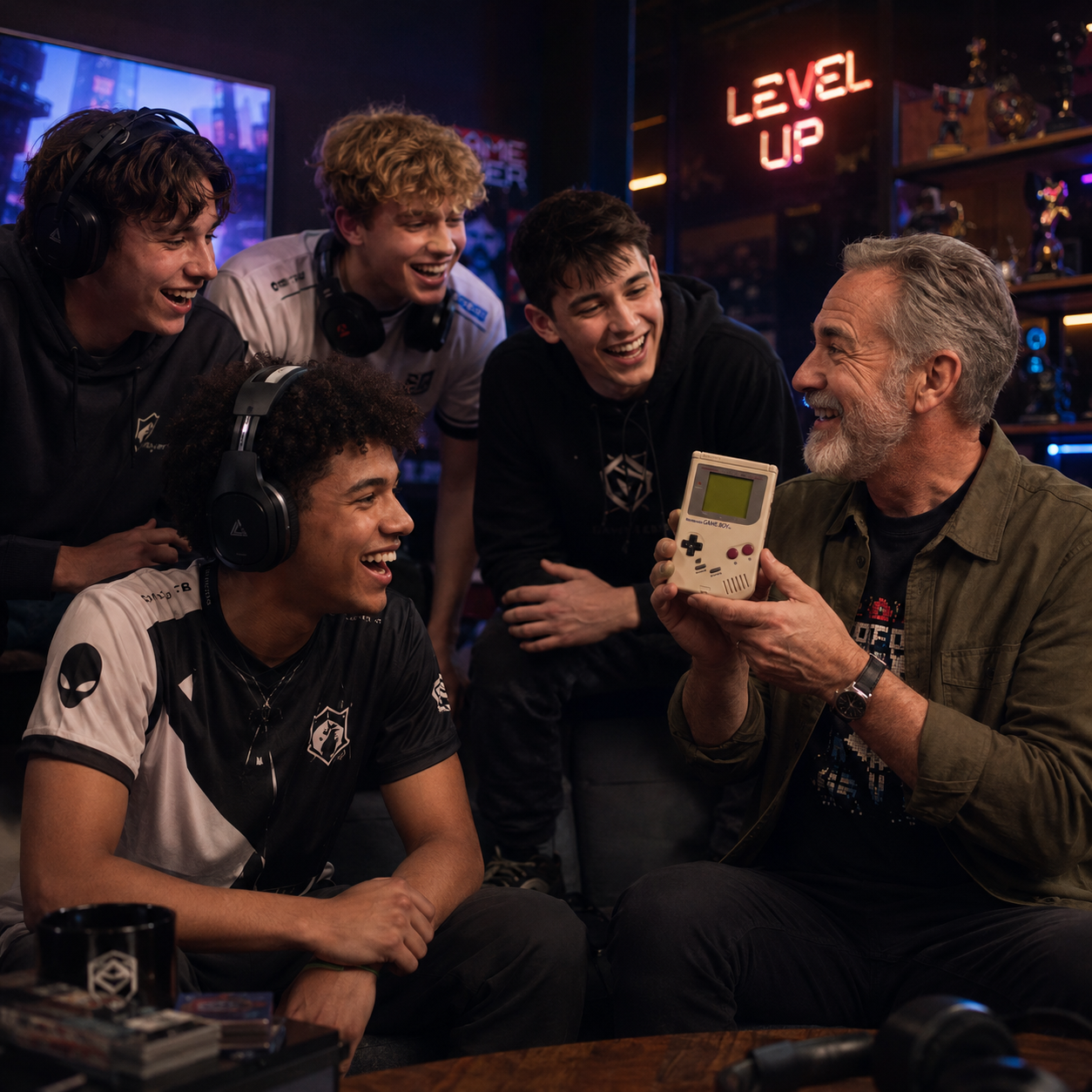
Introduces a bigger question without trying to answer it right away — a good way to keep a discussion open instead of shutting it down.
"This raises the question of whether gaming can still feel like its own thing now that pretty much everyone's doing it."
Agree with one side first, then add your own point. It shows you can see both sides of an argument before landing on yours — which makes your point land harder.
"While it is true that gaming is more visible than ever, one must also consider how much of that is just companies chasing money rather than caring about the culture."

A gentle way to share your own idea. "Tentatively" tells people you're open to being wrong or hearing a different opinion — not announcing the final word.
"I would tentatively suggest that the real debate isn't whether gaming matters anymore — it's about where the culture goes from here."
💡 Language Focus — Hedging as a Pragmatic Tool
Hedging isn't about sounding unsure — it's about being precise. Saying "it could be argued" instead of "this is true" shows you've actually thought about the topic, and it leaves room for other people to see it differently. That's a skill worth having, in a seminar or just in everyday conversation.
Modal hedges
might / could / would + verb"This could represent a shift."Adverbial hedges
arguably / seemingly / tentatively / apparently"Gaming has arguably become…"Distancing phrases
it could be argued / one might suggest / there is a tendency"It could be argued that…"Hedging in context — same claim, different levels of epistemic commitment

"It could be argued that gaming's move from the margins to the mainstream is one of the biggest culture shifts of our time — and one we barely stop to think about. There is a tendency to tell this story as a simple win: an outsider group finally gets the respect it deserved. To some extent, that's true — gaming's legitimacy as an art form is barely questioned anymore. But something else is going on too. As gaming gets commodified — turned into fashion lines, ad campaigns, branded merch — the question of identity gets messier. I would tentatively suggest that the real challenge facing gaming culture today isn't outside stigma — it's holding onto any shared identity at all, now that billions of people play."
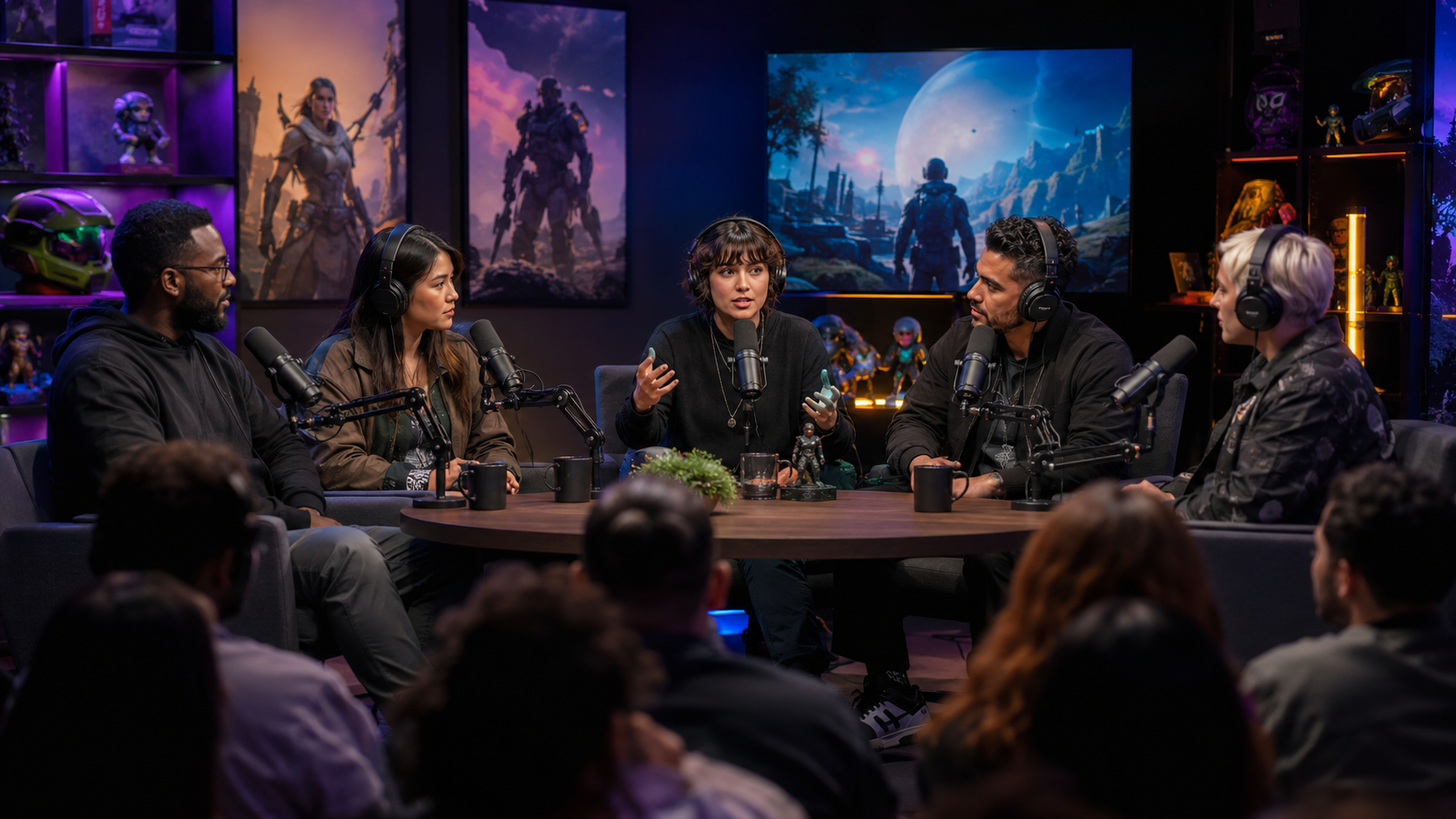
"I think what's interesting — and I would tentatively suggest people don't talk about this enough — is that there's never really been just one 'gamer identity.' There is a tendency, especially in the news, to talk about gamers like they're all the same. But the discourse inside gaming communities tells a very different story. To some extent, all the talk about whether gaming 'counts' as legitimate has actually distracted from a bigger question: representation. Whose stories get told? Who gets to be the hero? This raises the question of whether gaming culture is really growing — or just getting repackaged and sold as one narrow version of itself, which is its own kind of commodification."
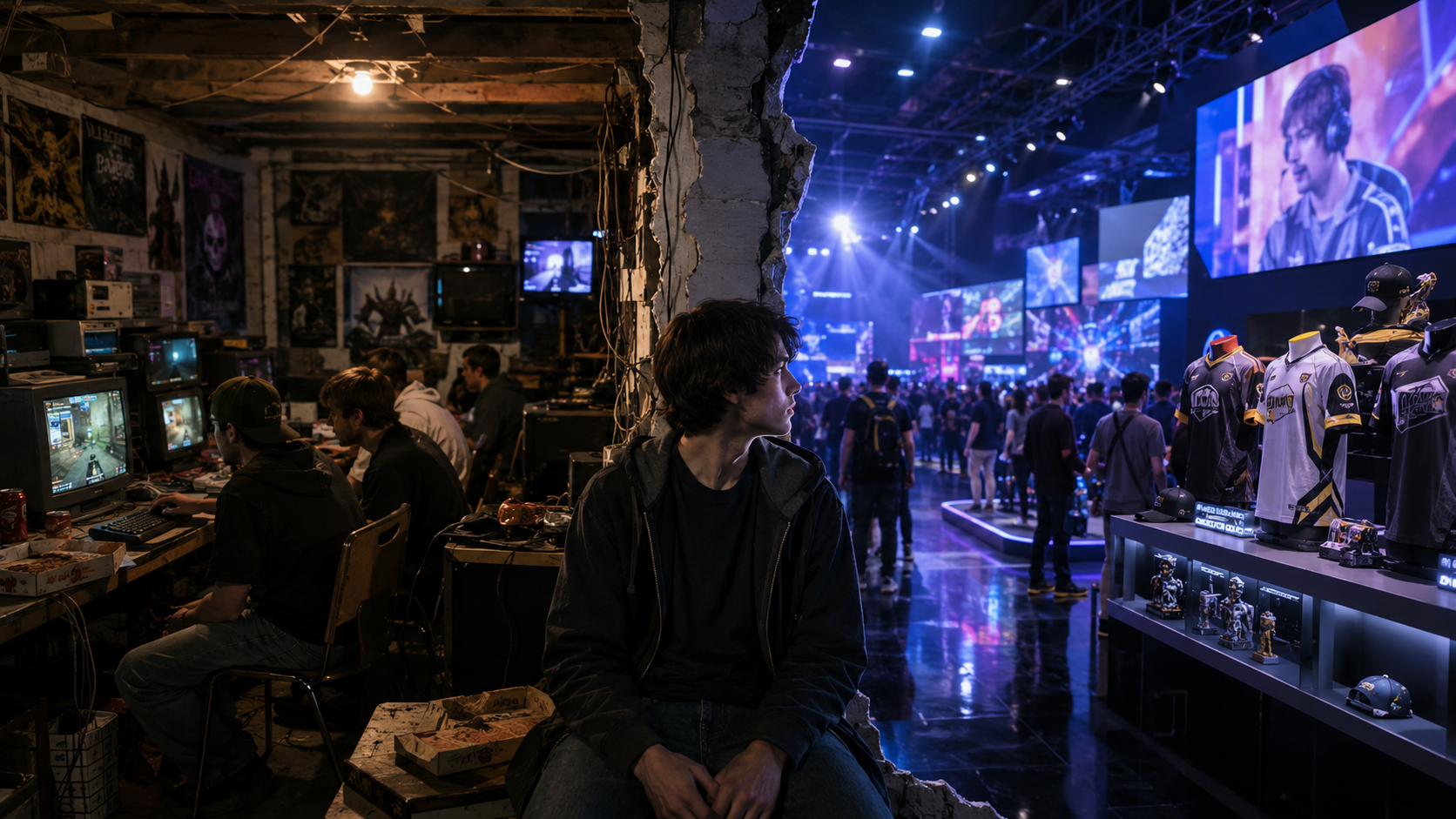
"Gaming culture didn't become legitimate. It got bought. The subculture had its style ripped out, repackaged, and sold back to us by the same people who spent years calling it a waste of time. What we're calling 'legitimacy' is just commodification with better PR. The stigma didn't go away — it just moved onto whoever's inconvenient for the brand right now. And most people are too busy celebrating to notice what got lost."
| Context | Hedging Level | Example |
|---|---|---|
| Academic essay Formal written analysis |
High — essential | "It could be argued that gaming going mainstream hasn't solved the identity question — it's just changed it." |
| Seminar contribution Spoken, collaborative |
High — shows respect | "One might question whether splitting gaming into 'subculture' vs. 'mainstream' even makes sense anymore." |
| Panel / podcast discussion Semi-formal, discursive |
Moderate — conversational | "I would tentatively suggest that the bigger question now isn't legitimacy — it's representation." |
| Journalistic feature Neutral, accessible |
Low-moderate | "Gaming's so-called 'identity crisis' isn't really about being accepted anymore — it's about staying united." |
| Social media / public debate Informal, direct |
Minimal / None | "Gaming culture didn't become legitimate. It got bought." |
Growing up, gaming was a big part of my click to fill — it's just who I am. But back then, there was a real click to fill attached to it. People assumed gamers were lazy and antisocial — the whole stereotype. It felt like we were our own little click to fill, talking in a language only we understood.
These days, the click to fill around gaming has totally changed. It's everywhere — on TV, in movies, even in school clubs. It's finally got some click to fill. But here's the thing: now that it's mainstream, companies have started to click to fill everything — gamer hoodies, gamer energy drinks, gamer chairs. It's all become one big product line.
And honestly? I think we're losing some click to fill. Not every gamer is the same — comparing a casual mobile player to a pro esports athlete misses the point completely. We need better click to fill of how different we all really are.
Match the Phrase to What It Does
Click a phrase on the left, then find the description on the right that matches what it's actually doing in a conversation.
Soften the Claim
Each sentence below sounds way too sure of itself. Pick a hedge from the bank, then click the blank to turn it into something you'd actually say in a real discussion.
Evaluate the Hedging
Is the hedging in each sentence appropriate, or does it contain an error? Consider grammar, redundancy, and pragmatic appropriateness.