


The passive voice (be + past participle, or get + past participle in informal speech) lets you talk about an action without naming — or while de-emphasizing — who did it. That makes it the natural register for game design talk: design documents describe systems and rules, not the individual who happened to type them; forum posts complain about what "got nerfed" without needing to name a developer; and formal specs use modal passives ("must be approved") to state requirements as if they were simply facts about the world. Below are eight forms, moving from the most formal technical register to the loosest, most conversational one.




"In most professional studios, a mechanic is rarely designed once and shipped as-is. It is iterated on, playtested, and quietly reshaped dozens of times before a single player ever sees it. Early prototypes are deliberately kept rough, since polish at this stage is generally considered a waste of scarce time. What looks, from the outside, like one confident decision is usually just the visible tip of a much longer process — one in which most of the actual work is never seen by anyone outside the team."
"Honestly, scope is the thing nobody wants to talk about until it's already too late. On our last project, two entire systems were quietly cut about eight months in, and the whole back half of the schedule was rebuilt around whatever was left. And balancing gets treated like a pure math problem, but it really isn't — a number can be completely correct on a spreadsheet and still feel awful to actually play against."
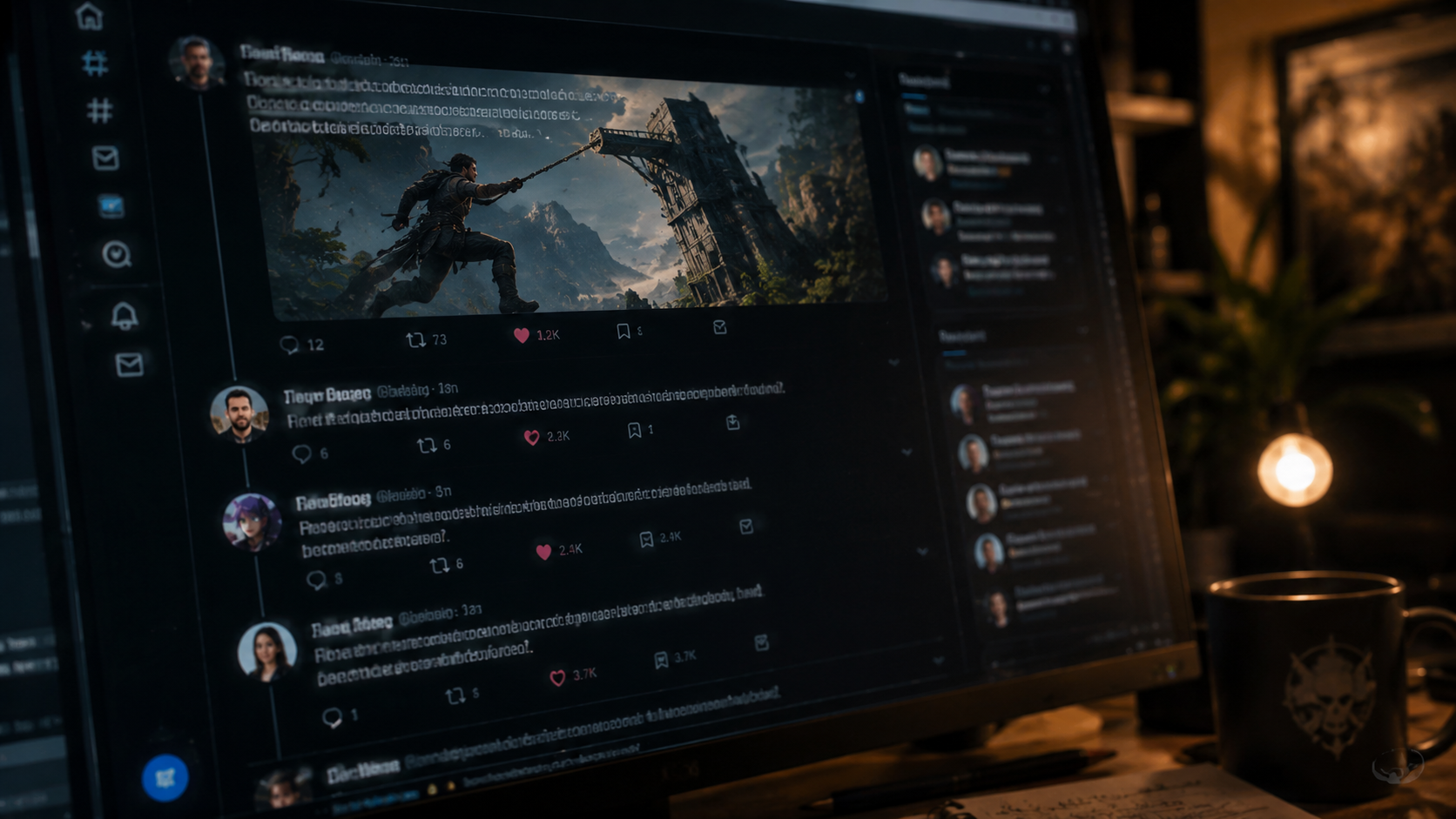
"ok so the grapple mechanic finally got reworked and??? it's actually fun now. like genuinely fun, not 'fun if you squint and ignore the bugs' fun. apparently it was rebuilt almost completely from scratch by like two people on the team. wild that something this small took THIS many patches to get right but hey, we got there in the end i guess"
| Context | Typical Form | Example |
|---|---|---|
| Design document / spec Formal, written, rule-stating |
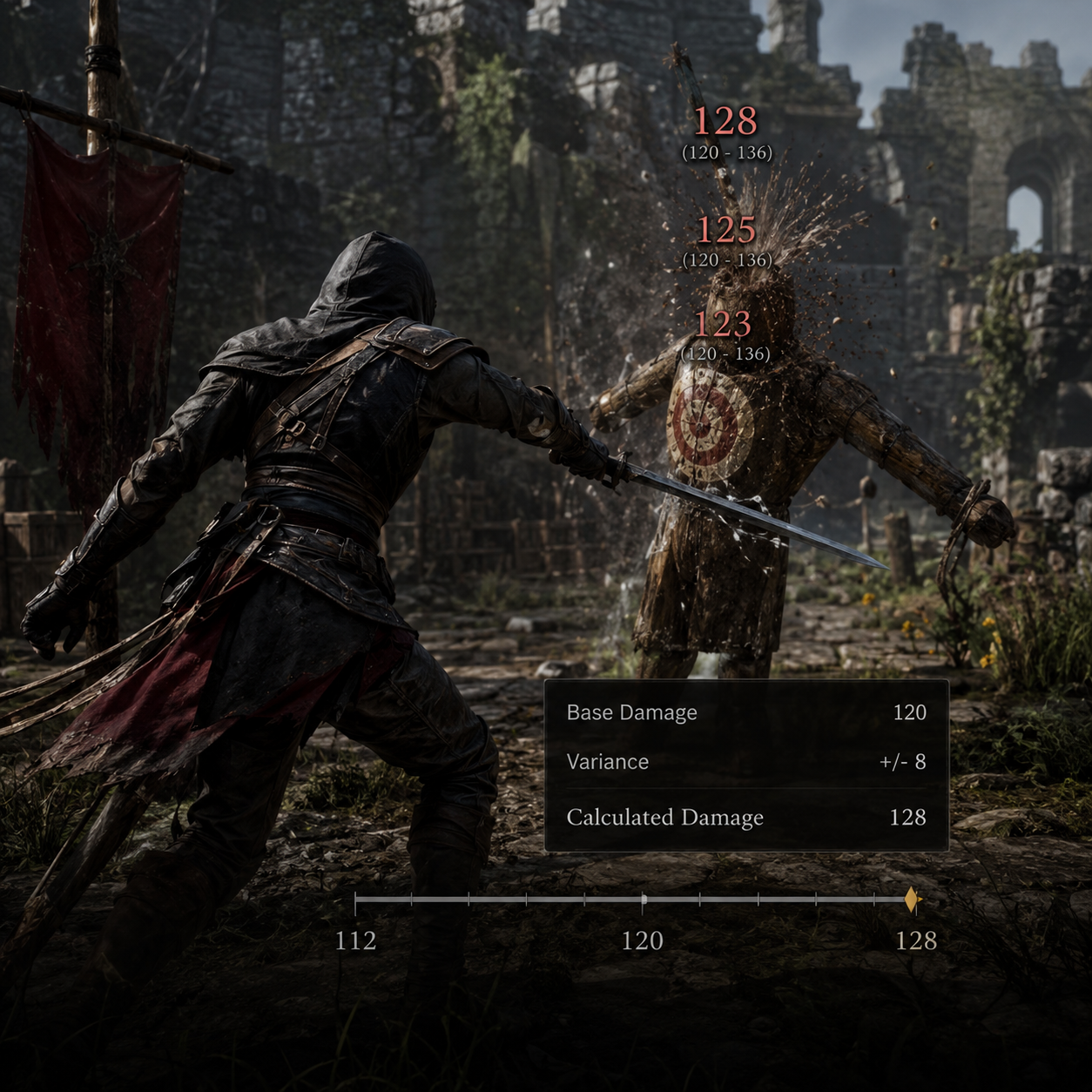
Highly formal | "Damage values are calculated from a base stat plus a small random variance." |
| Studio postmortem Reflective, written account |
Highly formal | "The original ending was scrapped two months before launch." |
| Internal memo / style guide Formal instructions, sign-off rules |
Highly formal | "Any change to core combat numbers must be approved by the systems lead." |
| Status update / dev diary Semi-formal, ongoing progress |
Semi-formal | "The tutorial has been rewritten four times, and it's still not quite right." |
| Forum post / patch-note rant Informal, emotionally charged |
Informal / emotional | "The dash ability got nerfed so hard in the last patch." |
When we started this patch, the click to fill was honestly a lot bigger than what you're playing right now. We had a whole new traversal system planned, but after the first rough click to fill, it was obvious the core click to fill just wasn't fun yet — it needed a lot more work before it could carry an entire patch.
So we spent most of the six months on click to fill. Every two weeks, a fresh group of players sat down with the build, and every two weeks we learned something we hadn't expected — usually about click to fill. A fight that felt perfectly tense to us dragged on forever for someone seeing it for the first time.
The last few weeks were just click to fill — going line by line through every number until nothing felt overpowered or useless. Then came one final round of click to fill on the small stuff: footstep sounds, hit reactions, menu transitions. That's click to fill, and it's always the part that takes longer than anyone expects.
Match the Passive Form to What It Does
Click a sentence on the left, then find the description on the right that matches what its passive form is actually doing.
Turn It Into the Passive
Each sentence below names the agent directly. Pick the matching passive verb phrase from the bank, then click the blank to shift the spotlight onto the system instead.
Evaluate the Passive
Is the passive voice in each sentence used well, or does it contain a problem? Consider redundancy, register clashes, and whether the agent should actually be named.