

Collocations: grind for loot · grind out a win · the daily grind · grind XP · "the grind is real"
Etymology: Comes from the literal sense of grinding grain down — slow, repetitive, wearing-down work. Gamers borrowed it for repetitive in-game tasks (farming loot, levels, currency) that feel a lot like manual labor.
To repeat the same task over and over — usually something a bit boring — to slowly build up something valuable, like levels, gear, or in-game currency. Ex: Some players genuinely enjoy the grind; others just push through it to unlock the next thing.
"I'm not even sure the reward's worth it anymore — I've just been grinding for so long it's become a habit."
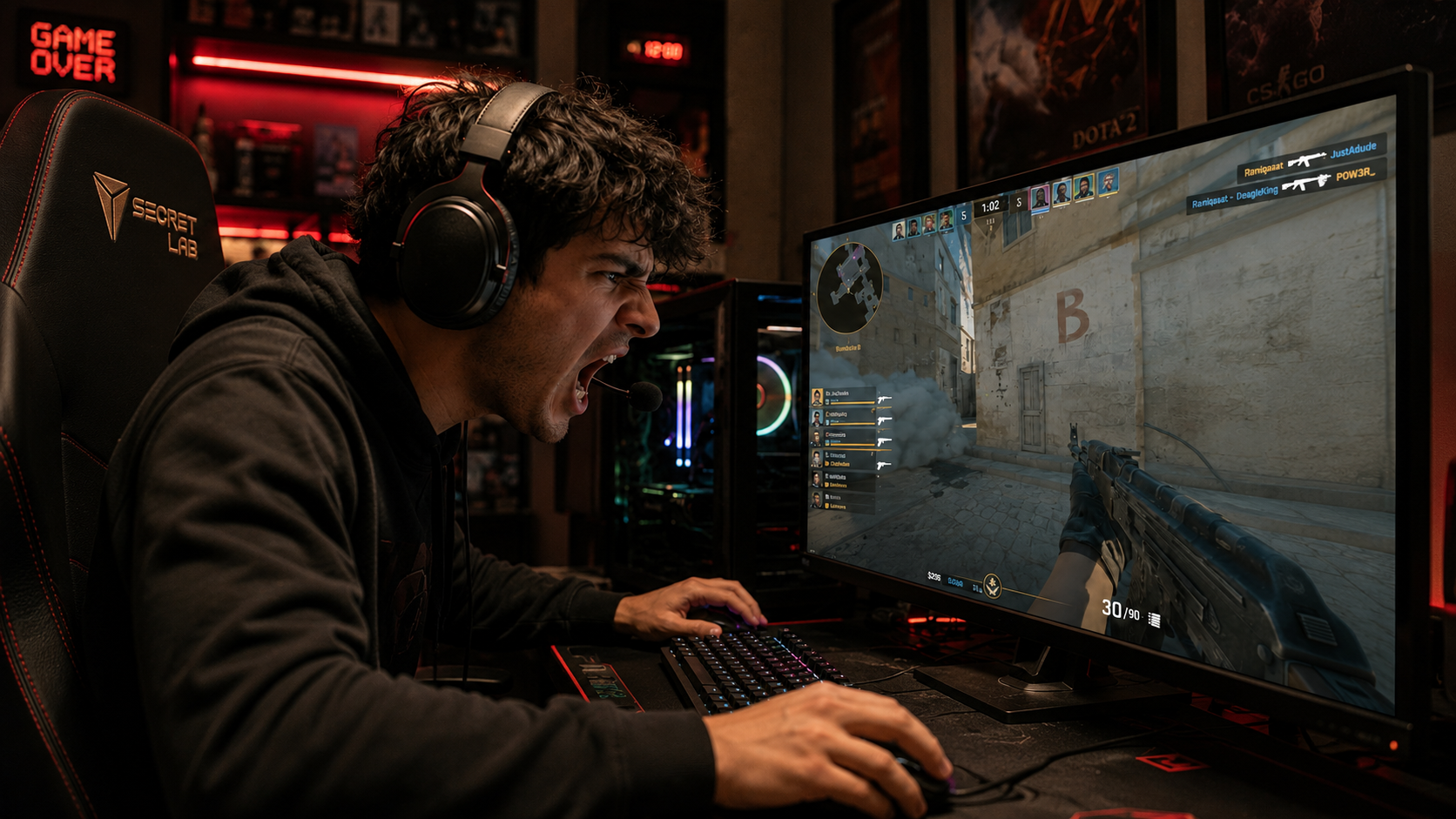
Collocations: toxic player · toxic behavior · toxic chat · call someone out for being toxic · toxic community
Etymology: Borrowed straight from the language of poison and chemistry — something "toxic" literally damages living things. Gamers picked it up for people whose attitude seems to poison the mood of a match or a whole community.
Behaving in a hostile, mean, or generally unpleasant way that ruins the experience for the people around you. Ex: One toxic teammate can drag the mood of an entire match down within minutes.
"It's wild how one toxic player can completely change the mood of an entire match."
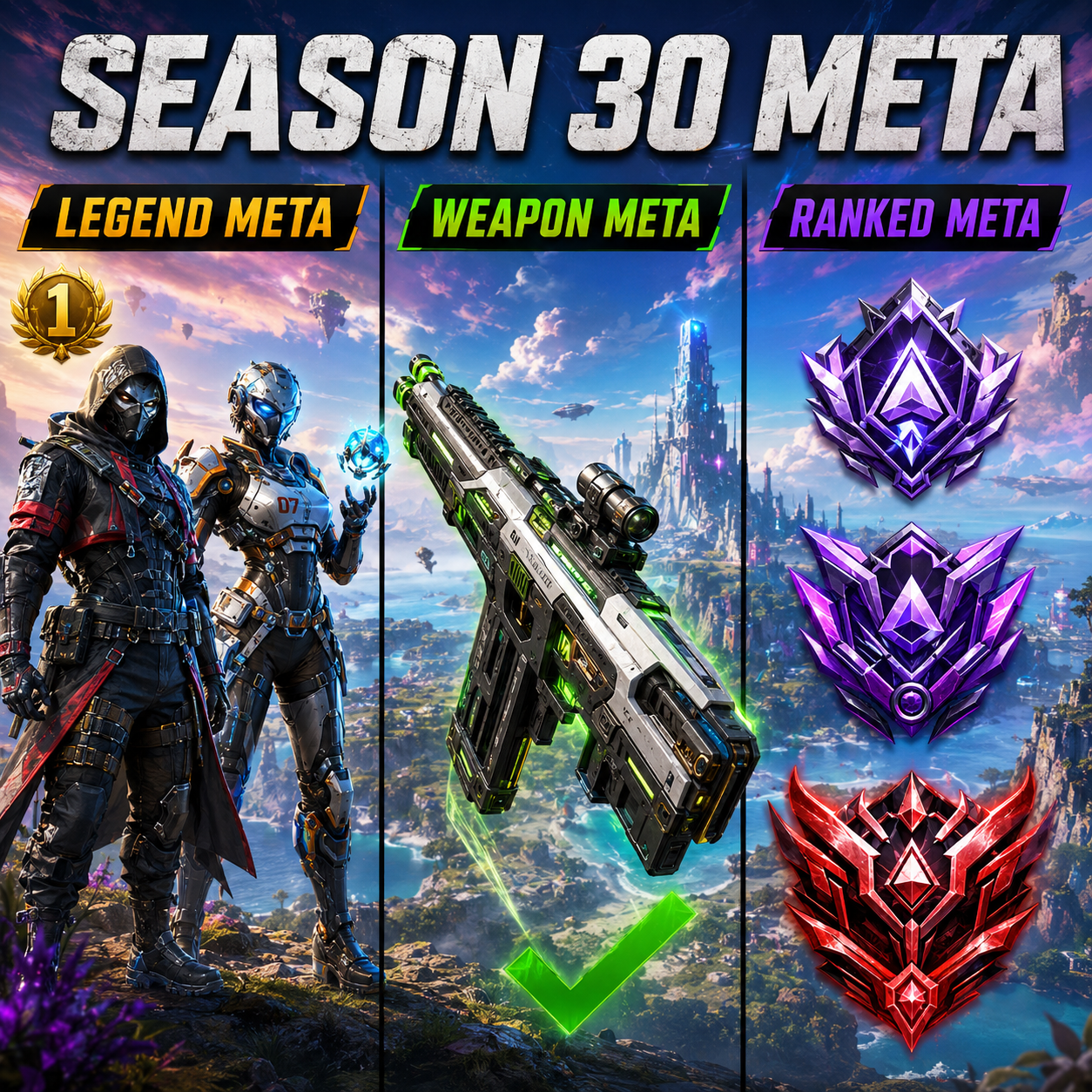
Collocations: the current meta · a shift in the meta · follow the meta · meta picks · "outside the meta"
Etymology: Short for "metagame" — originally a term for "the game about the game," i.e. the strategies that exist around a game's basic rules. Gaming slang trimmed it down to mean whatever approach is currently considered strongest.
The set of strategies, characters, or items that most players currently agree are the most effective to use. Ex: A single patch can completely flip the meta overnight, and suddenly last month's best picks barely get used.
"Honestly, the meta changes so often these days that it's hard to keep up unless you're watching pro matches every week."
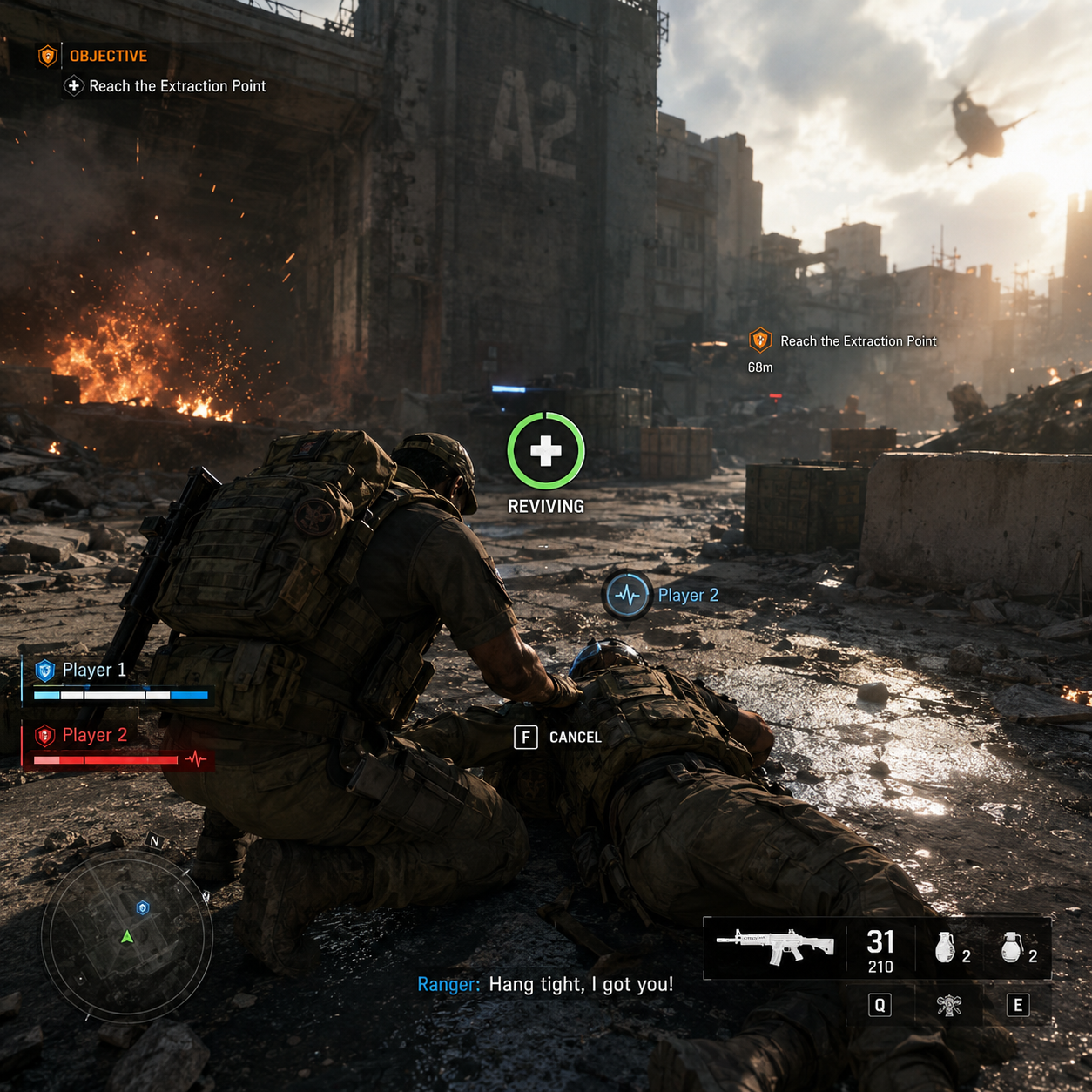
Collocations: clutch performance · clutch play · go clutch · clutch moment · "clutch up"
Etymology: Pulled from sports slang, where a "clutch" moment is one where the result is still in your hands — like the clutch in a car, the part that decides whether power actually gets through. Gamers adopted it for those tense, match-deciding seconds.
Performing exceptionally well at exactly the high-pressure moment when it matters most. Ex: Some players freeze up under pressure, while others somehow get clutch the moment everything's on the line.
"She's the kind of player who barely says a word all match and then goes completely clutch right when you need her to."
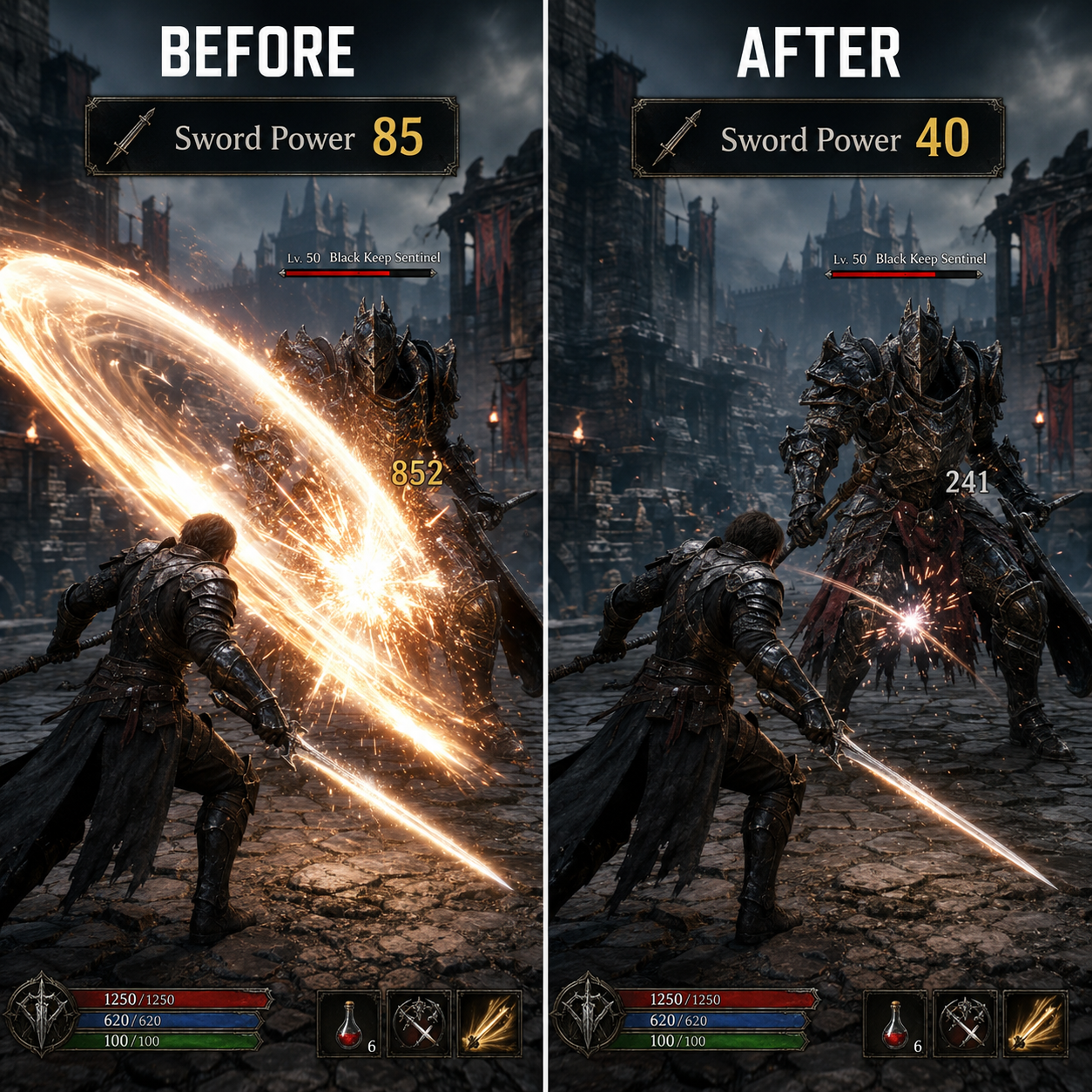
Collocations: get nerfed · an overdue nerf · nerf something into the ground · buffs and nerfs · nerf patch
Etymology: Named after the soft foam Nerf toys — "nerfing" something makes it weaker, the same way a foam dart does a lot less damage than a real one. The word jumped from toy boxes into game-balance talk back in the '90s.
To deliberately make something — a weapon, character, or ability — weaker, usually because it felt too strong or unfair to play against. Ex: Players often ask for a nerf the moment something starts winning too consistently.
"I get why they nerfed it, but did they really have to nerf it into the ground? Nobody's even using it now."
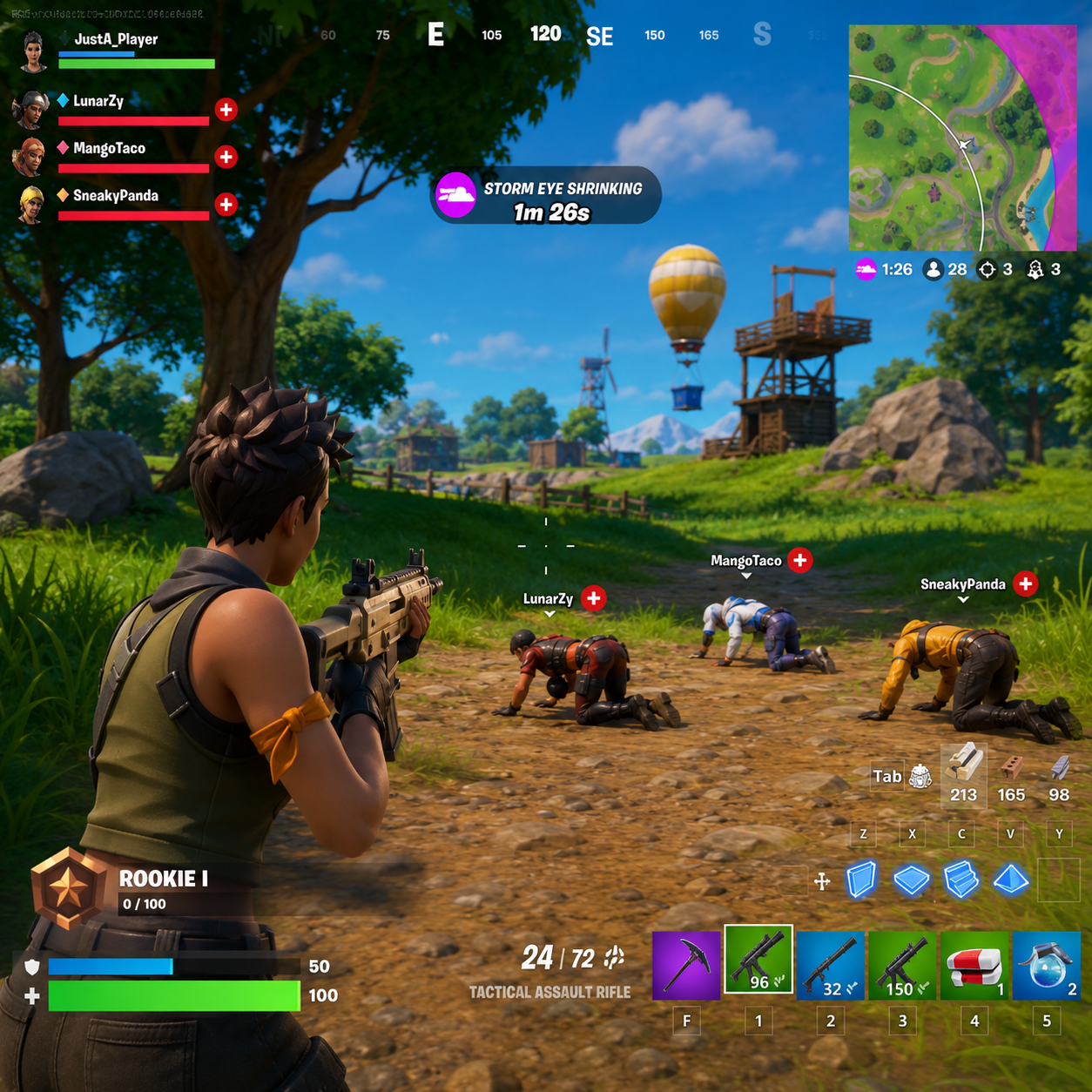
Collocations: an obvious smurf · smurf account · smurfing · spot a smurf · "smurf on lower ranks"
Etymology: The story goes back to a couple of strong '90s StarCraft players who hid behind accounts named after Smurf characters so they could crush much weaker opponents without being recognized. The name stuck to the practice itself.
An experienced player who creates a new, low-level account so they can dominate much weaker, less experienced opponents. Ex: You can usually spot a smurf within the first couple of minutes — their decisions are just too clean for a "new" player.
"You can usually tell within the first two minutes whether someone's a smurf — the way they move just gives it away."
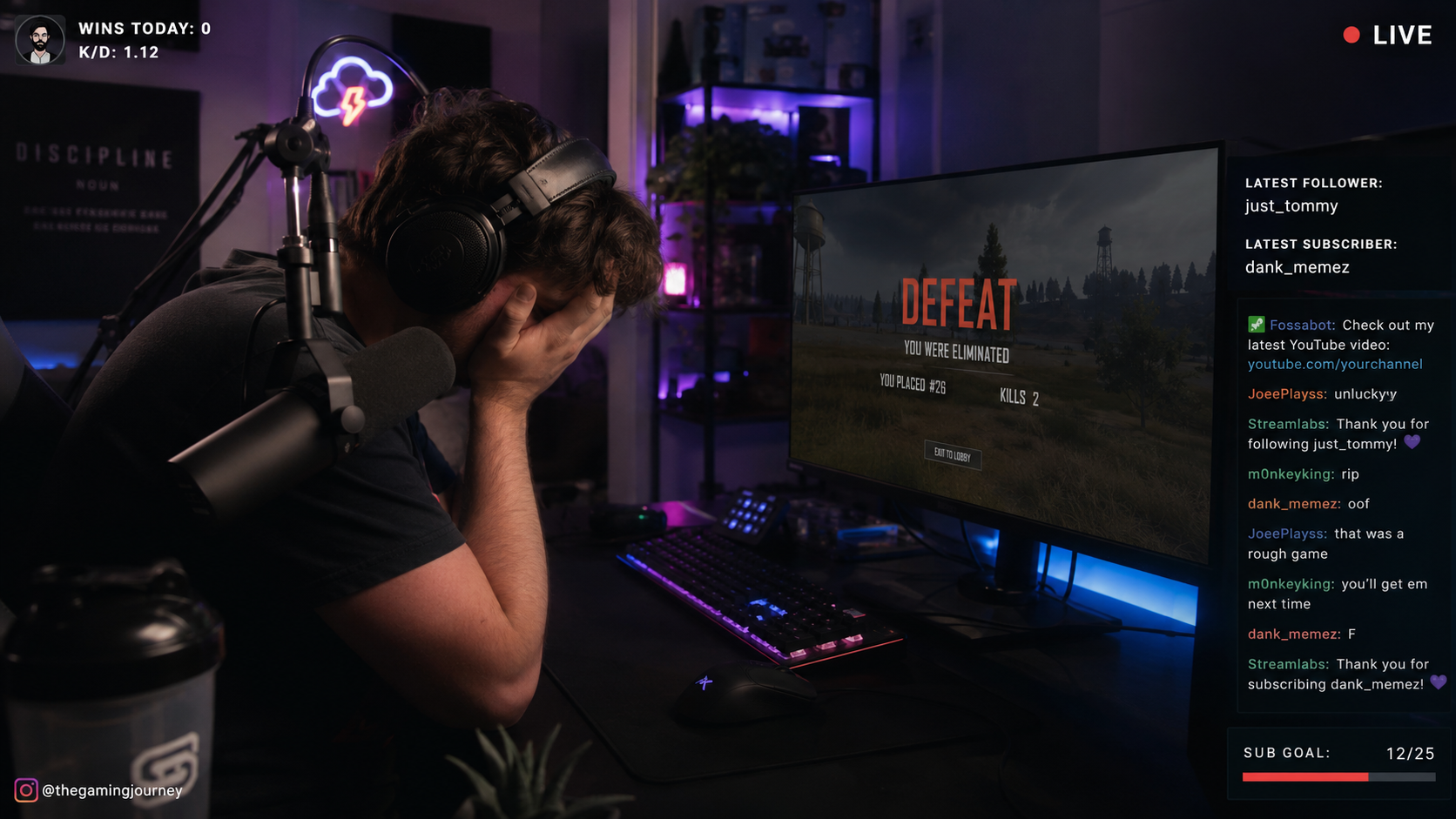
Collocations: a hard throw · throw the game · throw a lead · throw it away · "classic throw"
Etymology: Comes from the older idea of "throwing a match" — deliberately losing on purpose. Gaming slang stretched the word to also cover accidentally losing a match you were clearly winning, purely through your own avoidable mistakes.
To lose a match — usually one you were winning — because of your own careless or avoidable mistakes. Ex: Losing from a huge lead always stings more, because everyone knows it was a throw and not bad luck.
"Honestly, that wasn't bad luck — that was a hard throw, and we all know exactly which play caused it."
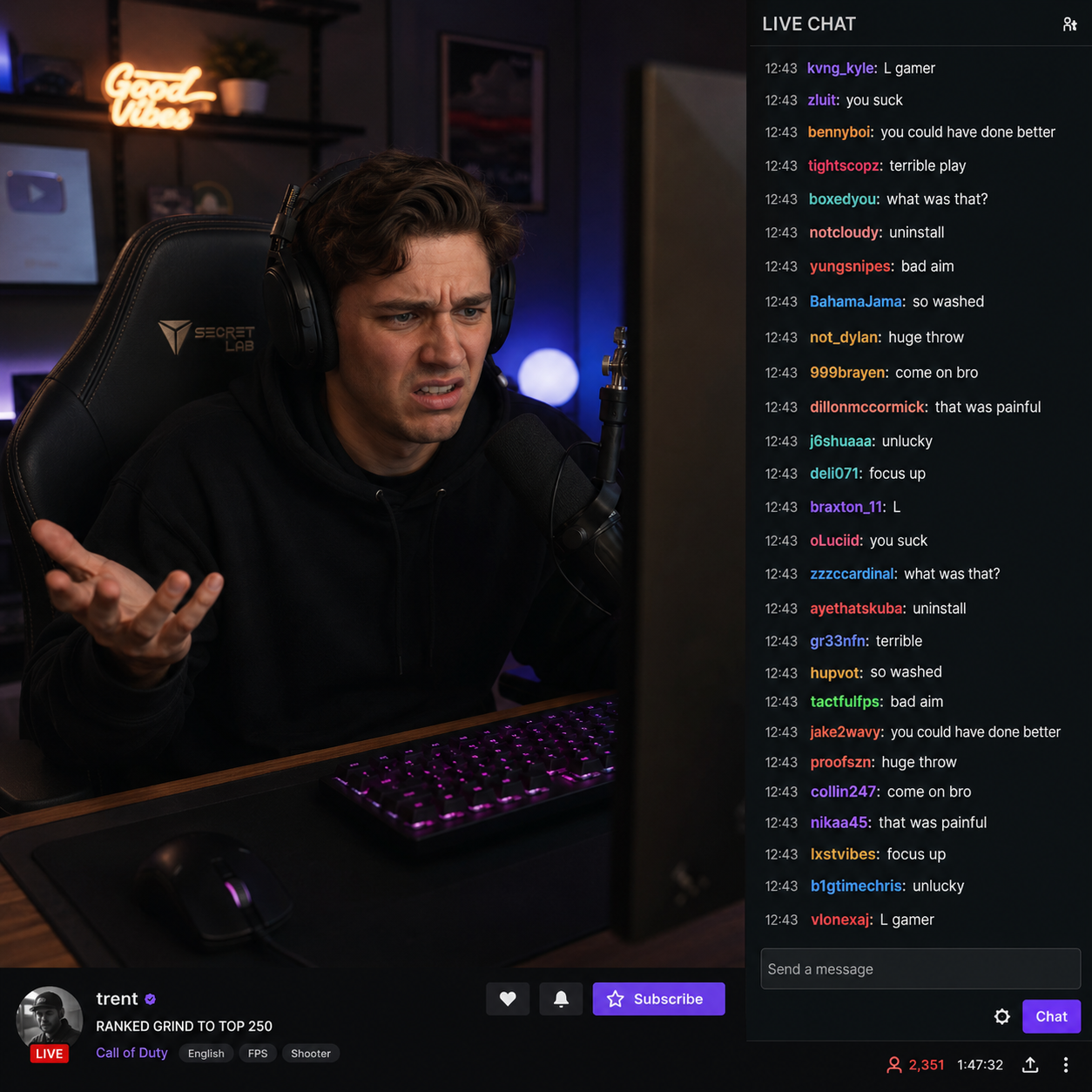
Collocations: salty comments · get salty · "still salty about it" · salty in chat · taste the salt
Etymology: "Salty" has meant bitter or irritated in English slang for decades — sailors used it for a sour mood long before gaming existed. Gaming culture simply borrowed the whole idea wholesale, for that sore-loser energy right after a rough match.
Feeling bitter, irritated, or short-tempered — usually right after losing or being outplayed. Ex: It's normal to feel a little salty after a tough loss; it only becomes a problem when it spills out onto everyone else in chat.
"I closed the chat the second the salty comments started — nobody needs that energy after a loss."
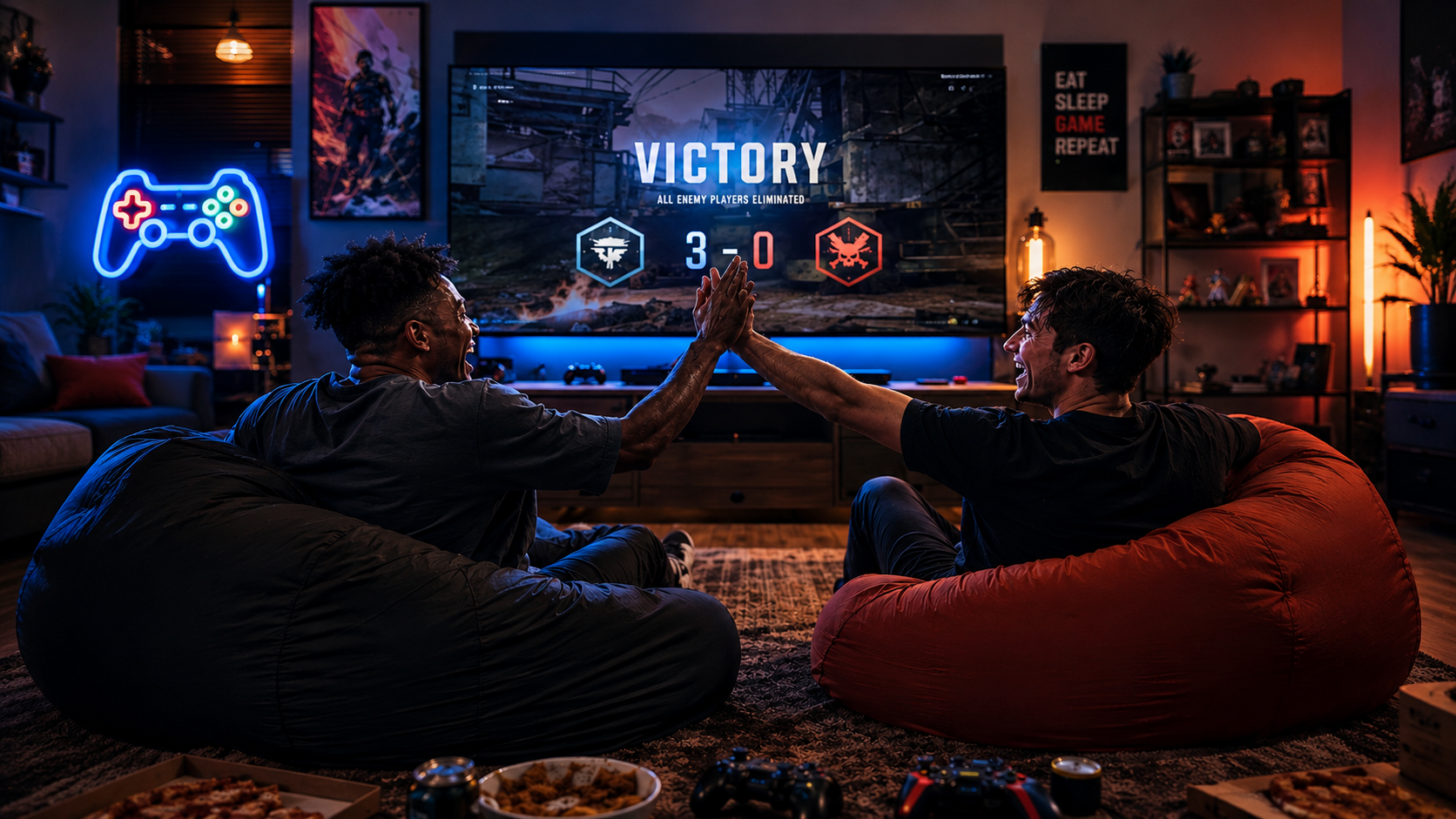
A win that didn't come easily — you had to push through a long, tiring match rather than win comfortably. "Grind out" pairs naturally with results you fought hard for, not lucky ones.
"We didn't play our best by any means, but we grinded out a win in the end — and honestly, I'll take it."
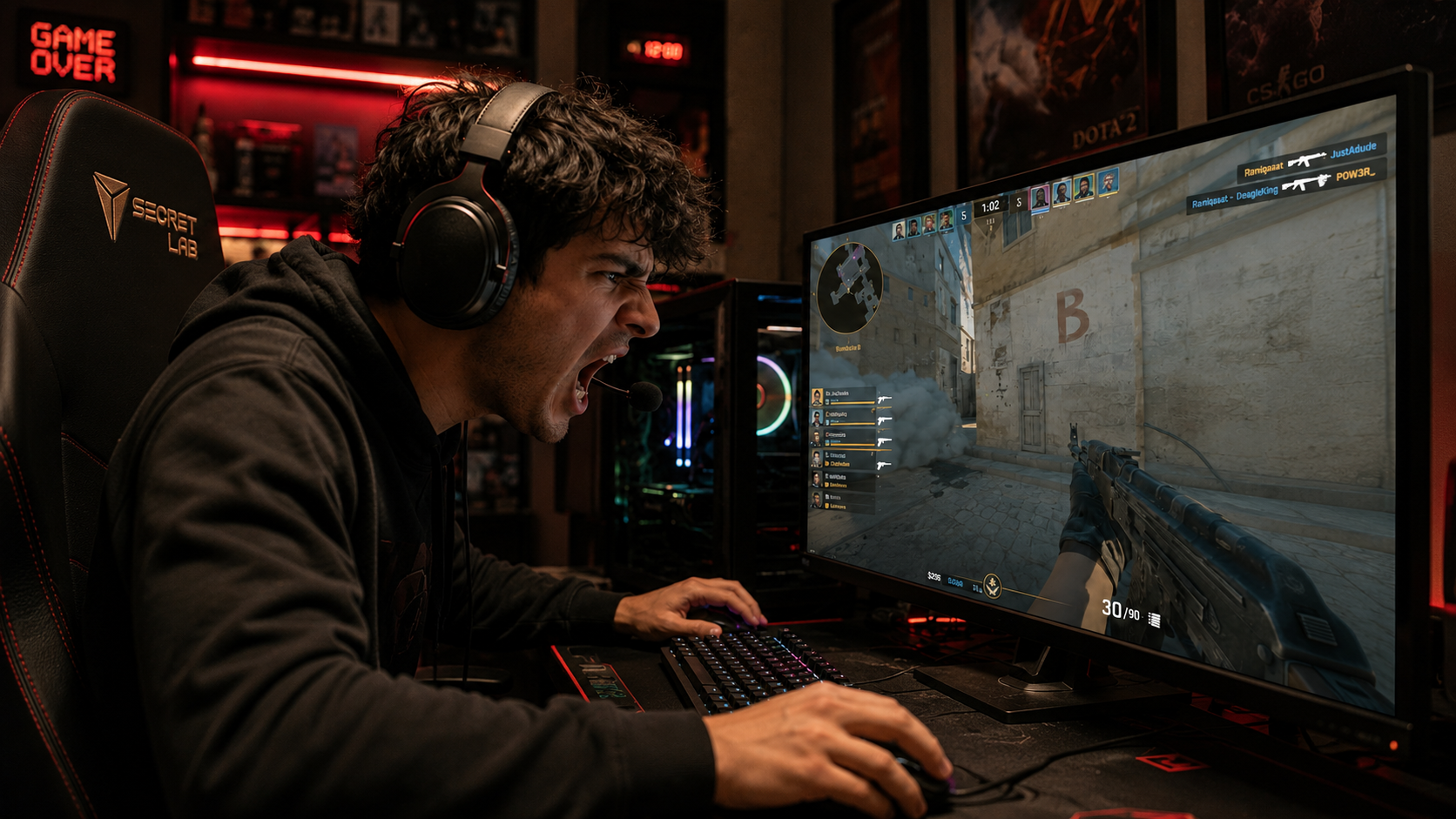
The standard label for hostile, mean, or disruptive conduct in gaming spaces. "Toxic" almost always pairs with "behavior," "chat," or "player" — pairing it with more formal nouns like "conduct" tends to sound stiff.
"The mods ended up banning him for toxic behavior — he spent the whole match trash-talking everyone on the team."
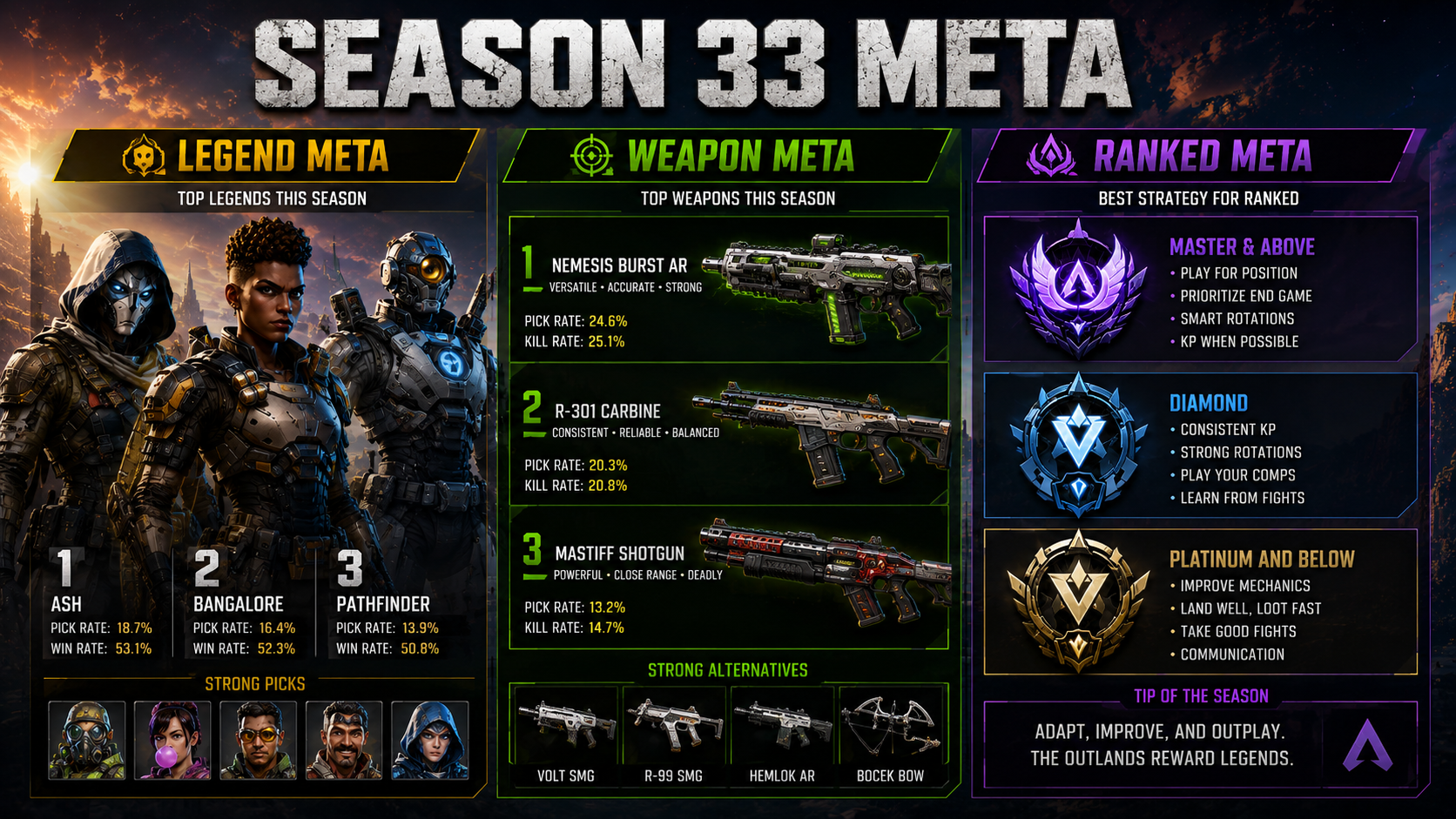
The go-to way to describe a big change in which strategies are considered strongest. "Shift" pairs with "meta" far more naturally than "change" or "movement" do — those alternatives technically work, but they sound noticeably off to gamers' ears.
"That last patch caused such a huge shift in the meta — half the strategies people relied on don't even work anymore."
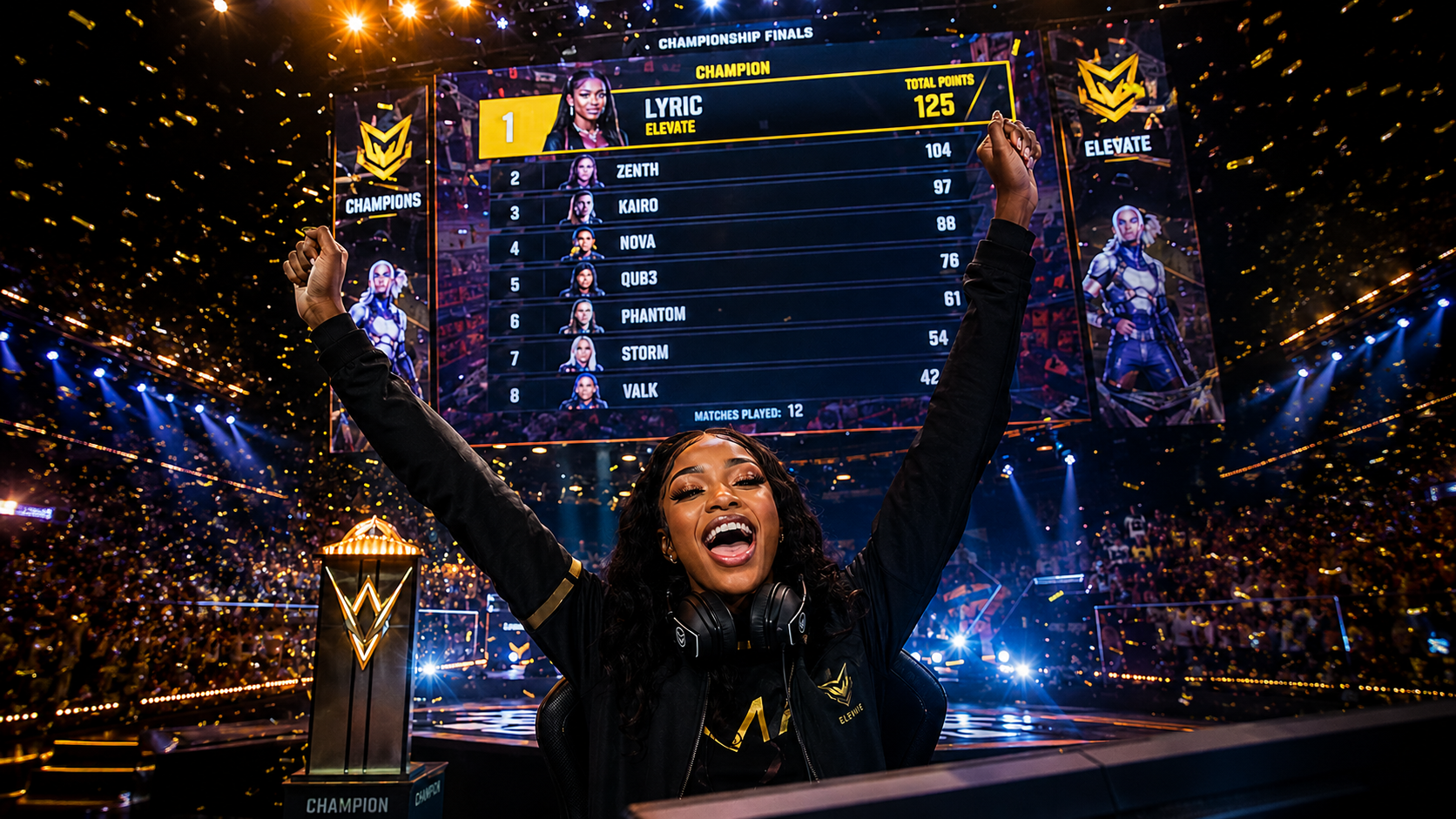
A standout showing at exactly the moment that mattered most. This pairing shows up constantly in post-match recaps and commentary — "clutch" rarely modifies quieter nouns like "effort" or "attempt."
"Everyone's still talking about her clutch performance in the finals last weekend — she barely missed a single read."
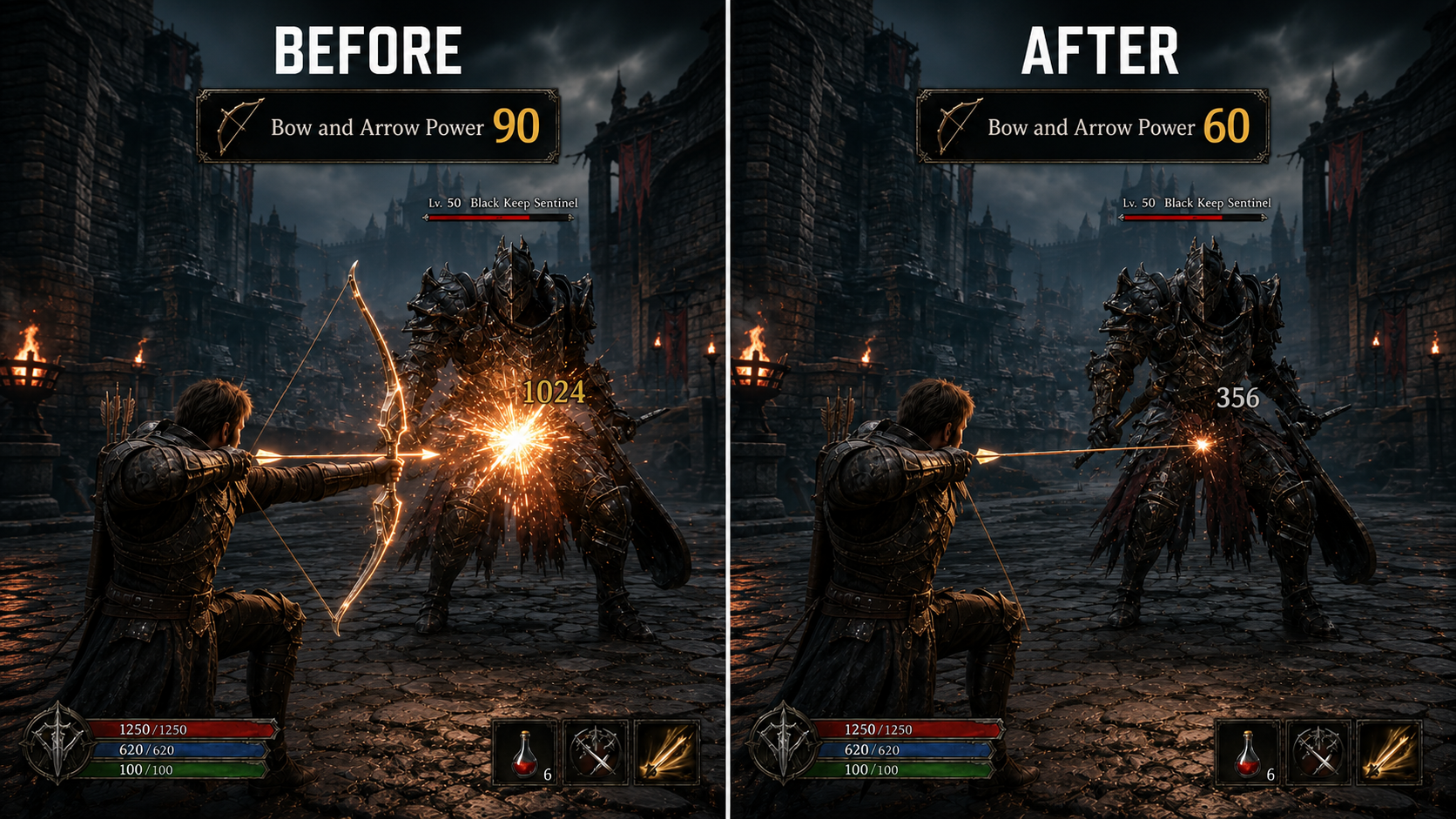
A balance change that the community feels should have happened much sooner. "Overdue" attaches naturally to "nerf" (and to "buff") — it signals that players had already been asking for the change for a while.
"That weapon finally got an overdue nerf — the community's been begging the devs to look at it for what feels like forever."
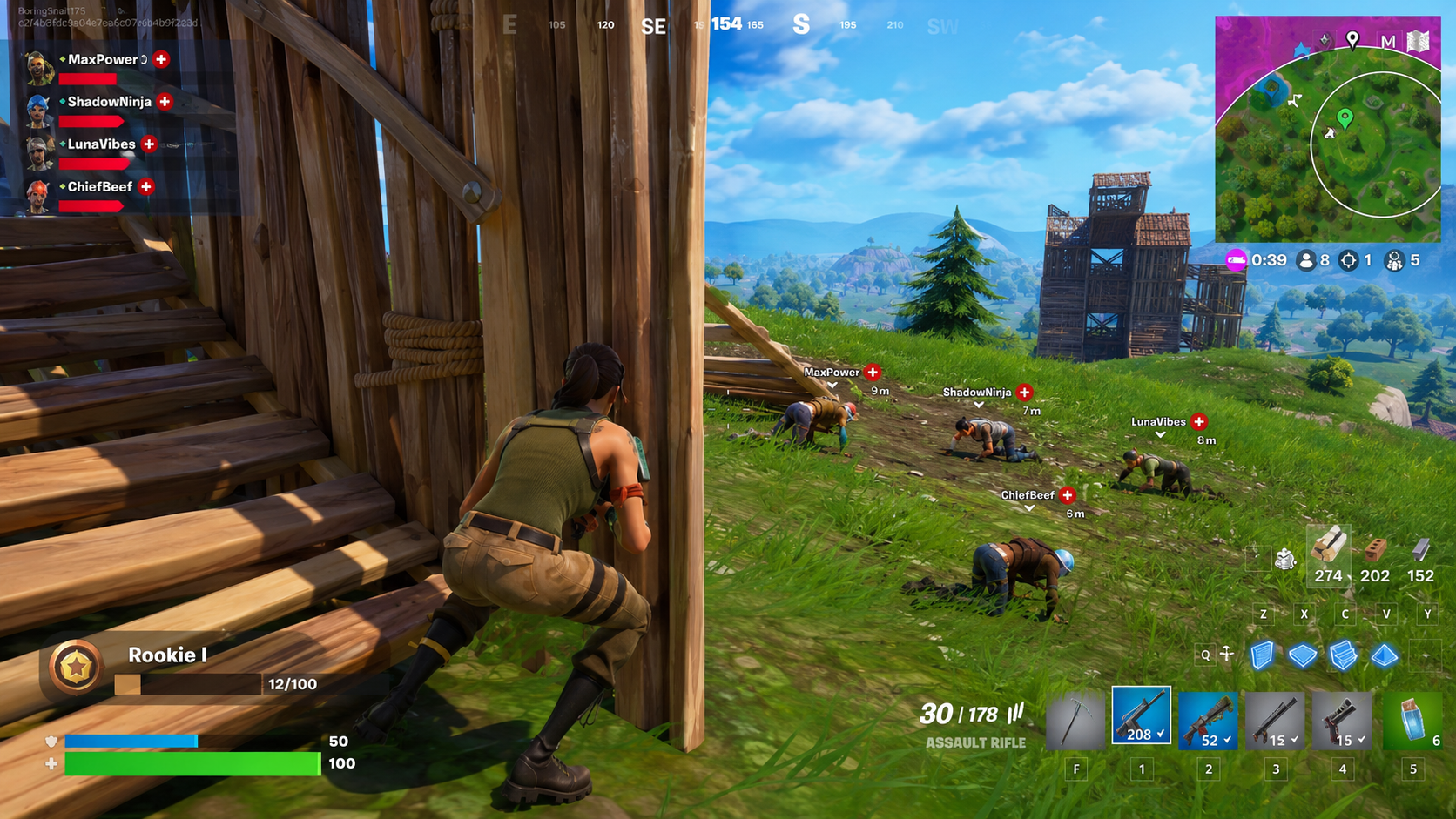
Used when an "experienced beginner" gives themselves away almost immediately. "Obvious" is the natural partner here — alternatives like "clear smurf" or "visible smurf" technically communicate the idea, but they aren't how players actually phrase it.
"That 'brand new player' was such an obvious smurf — the way they were positioning themselves gave it away in seconds."
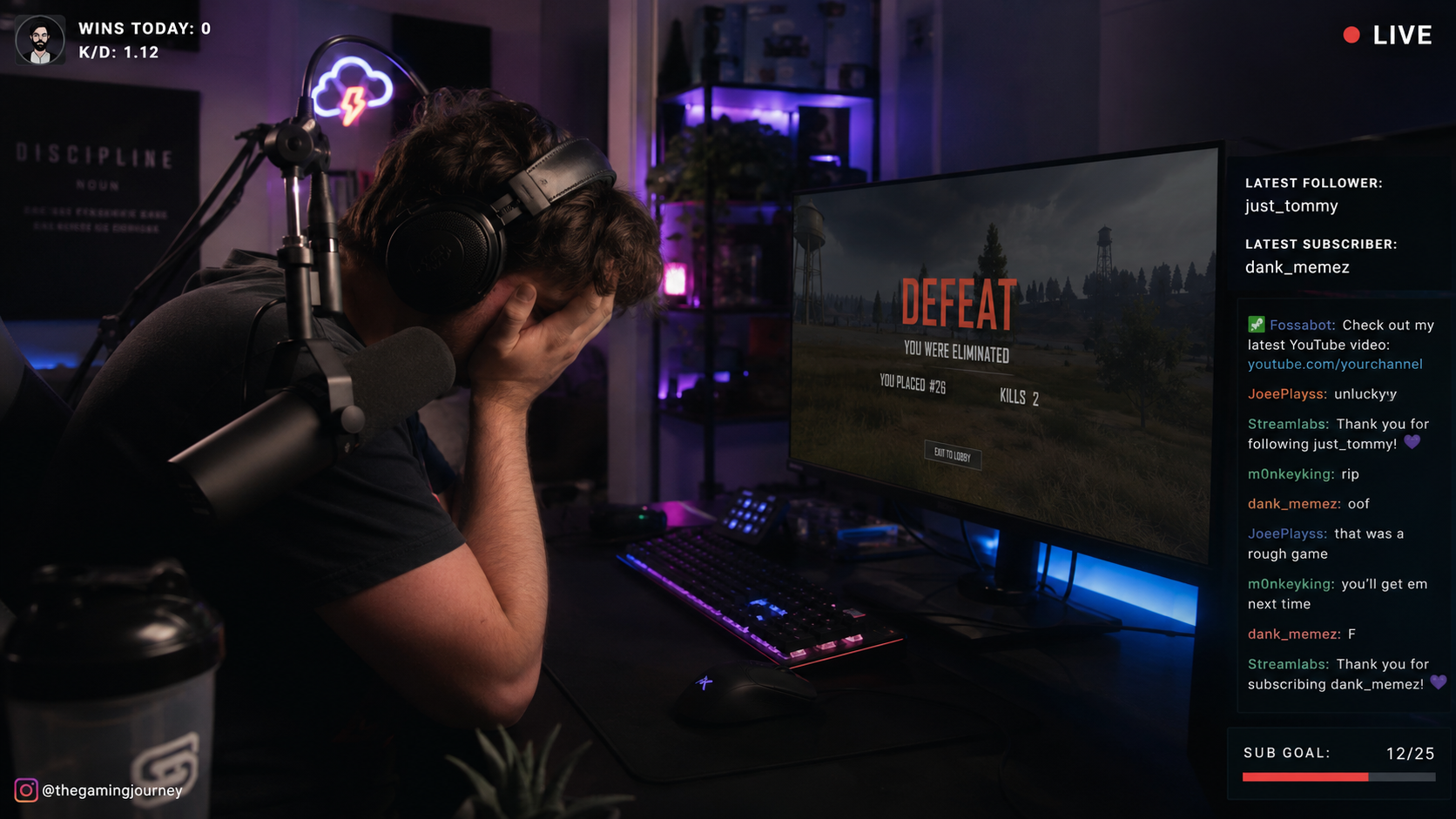
A particularly painful self-inflicted loss — usually from a position you were clearly winning. "Hard" intensifies "throw" the way it intensifies "loss" or "hit"; it signals just how avoidable (and how memorable) the mistake was.
"Losing from a twenty-point lead? That's not just a throw — that's a hard throw, and we all know it."
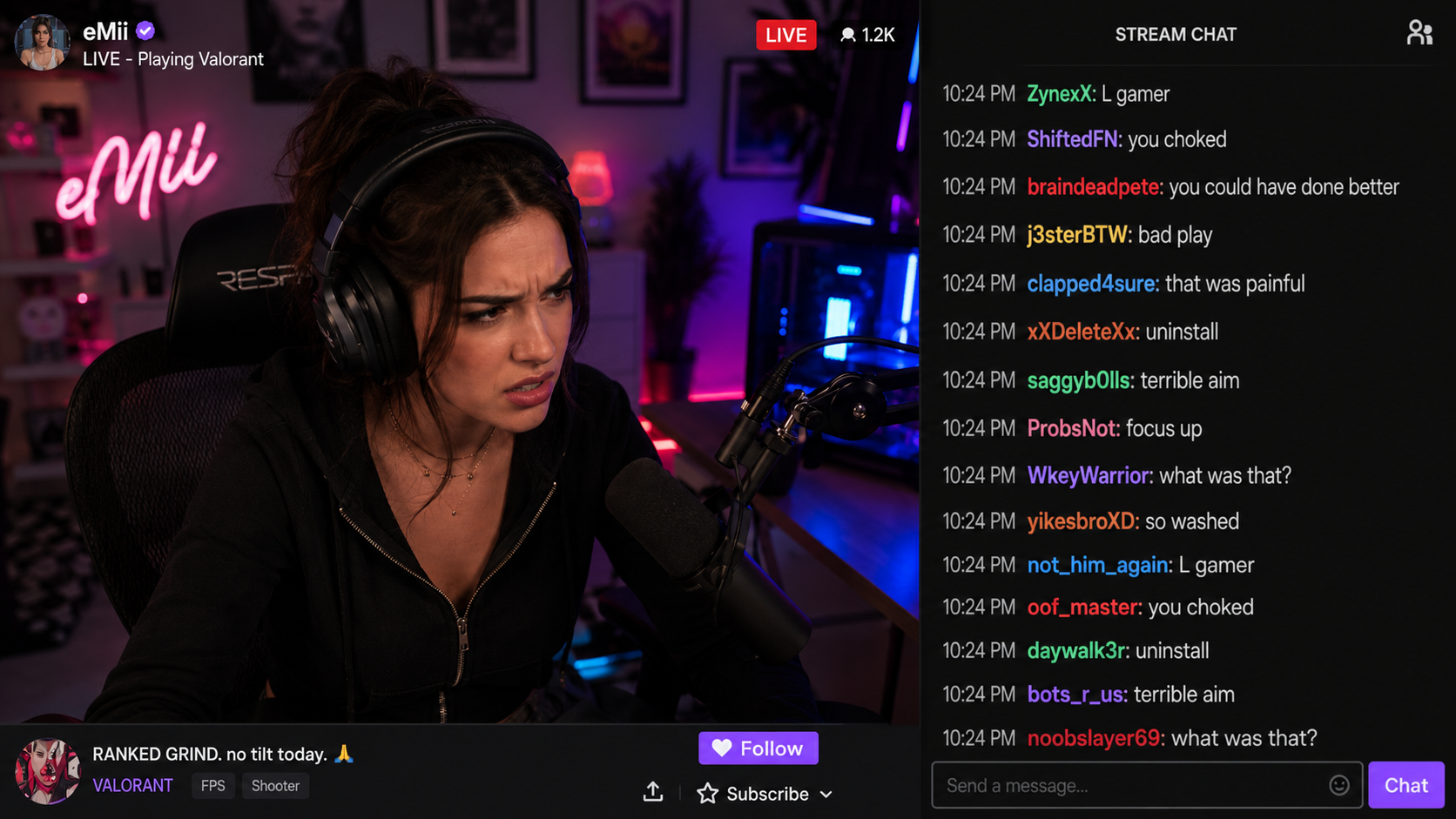
The bitter, irritated messages that show up in chat right after a tough loss. "Salty" pairs with "comments," "messages," and "chat" so often that the combination has basically become its own little category of post-match noise.
"I muted the chat the moment the salty comments started rolling in — it's just not worth reading after a rough loss."
💡 Language Focus — Why Collocations Matter
Every language has thousands of word-pairings that "just sound right" together — even when other combinations would technically be just as grammatical. Native and advanced speakers don't usually notice these pairings consciously; they just feel natural, the way "make a decision" feels natural but "do a decision" doesn't. Gaming slang has its own dense web of these pairings, and learning them is often what separates "technically correct" English from English that actually sounds like it belongs in the conversation.
Verb + Noun chunks
grind for loot / throw the game / follow the metaAdjective + Noun chunks
toxic behavior / clutch performance / overdue nerfFixed gaming expressions
get nerfed / go clutch / in the metaNatural pairing vs. "almost right" — the difference is often just one word
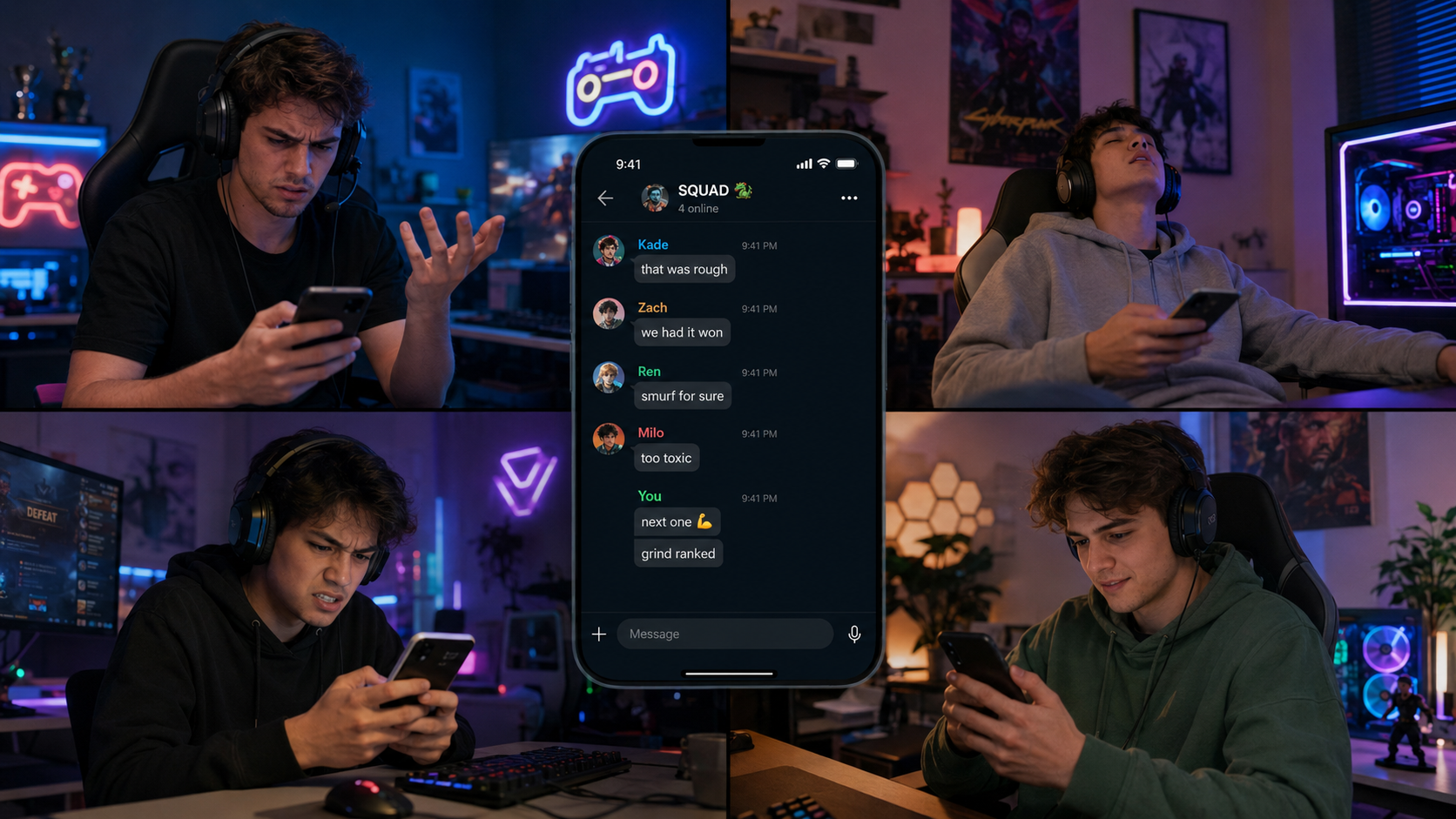
"ngl that was rough lol. we had it WON and then just threw it in like the last 30 seconds. and don't even get me started on that smurf on their team — bro was clearly not actually new lol. one of our own guys got so toxic about it too, just blaming everyone instead of focusing back up. anyway i'm a little salty ngl but we'll get the next one fr. gonna go grind some ranked to cool off lol"
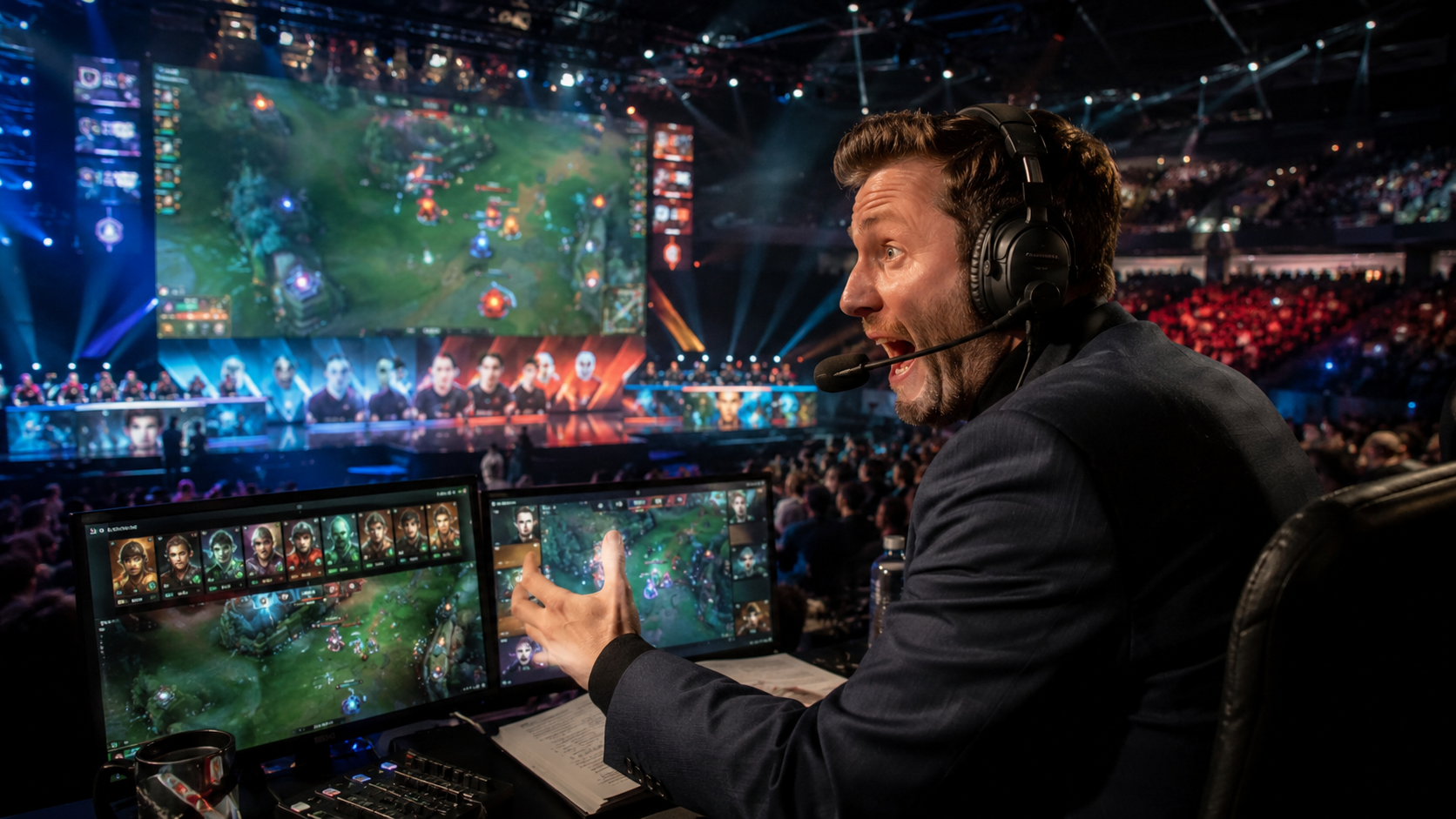
"Okay chat, this is looking SO clutch right now — if they manage to pull this off, it's honestly going to be one of the best comebacks I've called all year. And remember that account everyone was debating earlier? Yeah — turns out it really was a smurf, total game-changer for how this match has gone. Honestly, the meta has shifted so much since that last patch that half of these picks wouldn't have even worked a month ago."
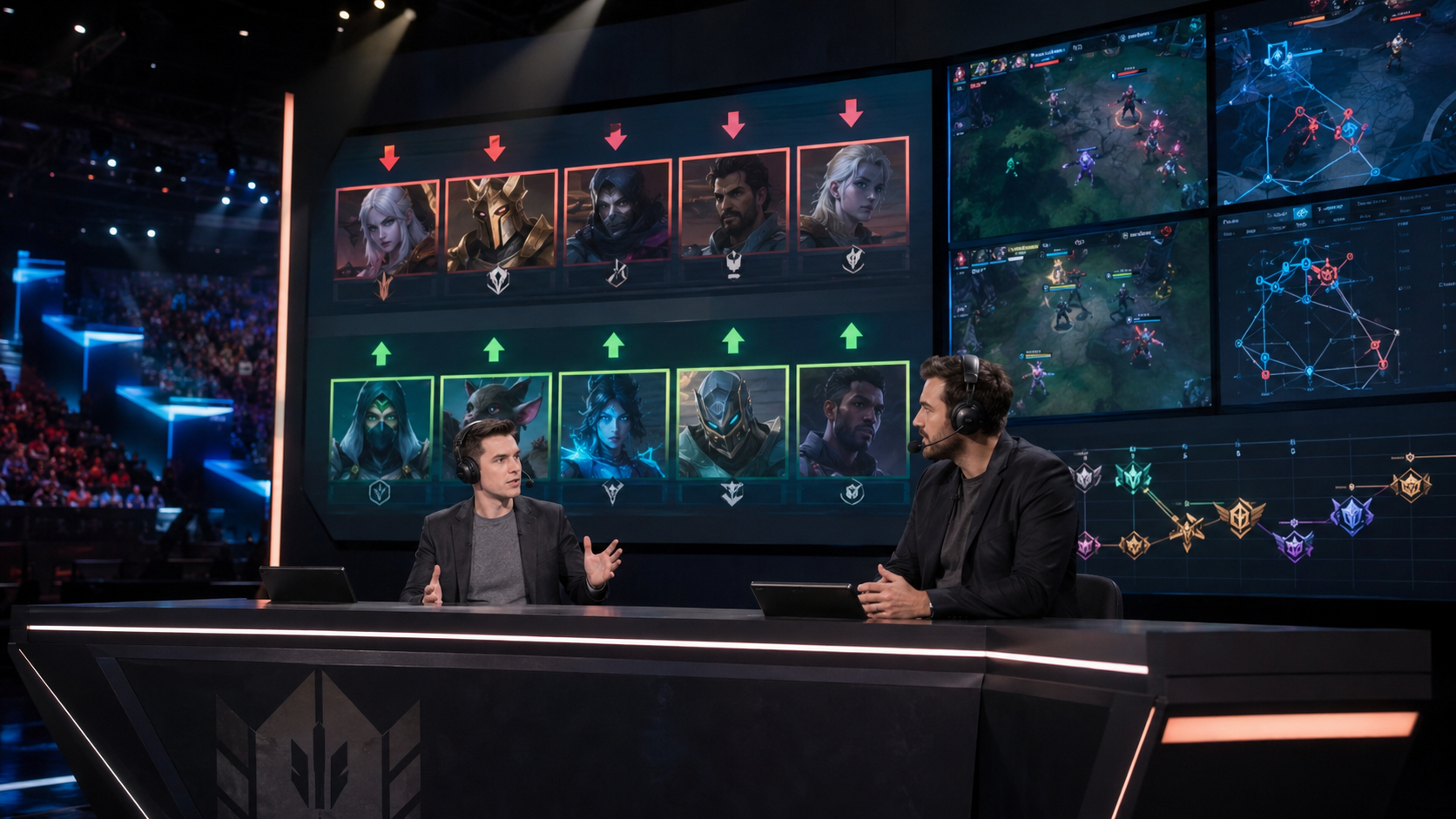
"The latest update has triggered what many are now calling the biggest shift in the meta this year. Several previously dominant characters received significant nerfs, while a number of underused options saw welcome buffs — a change long considered overdue by much of the community. Early matches suggest these adjustments have already begun reshaping which strategies competitive teams view as viable, and analysts expect the rankings to look noticeably different by the end of the month."
| Context | Register Level | Example |
|---|---|---|
| Discord / group chat Slang-heavy, fully informal |
Minimal / None | "bro was clearly smurfing, no way that's a new account lol" |
| Live stream / commentary Casual-spoken, energetic |
Low-moderate | "Yeah, turns out that account really was a smurf — total game-changer." |
| Gaming journalism Neutral, accessible to a wide audience |
Moderate — neutral | "Several previously dominant characters received significant nerfs this patch." |
| Official patch notes Formal, precise, written for the record |
High — fully formal | "Ability power output has been reduced by 12% to address balance concerns raised by the community." |
So here's the thing — I'd been click to fill ranked literally all weekend, just trying to climb one more tier before the season ended. We were up by a mile in the final match, and then... we just click to fill it. Completely threw it, in the last two minutes. I still don't fully understand how it happened.
Looking back, a few things stood out. Their support was obviously a click to fill — there's no way a "level 12 account" rotates and times cooldowns like that. And honestly, one of my own teammates got so click to fill in chat that I think it threw the rest of us off more than the enemy did. Meanwhile their carry just kept pulling off click to fill play after play, like the pressure didn't even touch him.
I keep telling myself it's just a game, but losing a lead like that genuinely lives in my head rent-free. Maybe I just need that character to finally get click to fill so I can stop blaming the click to fill for everything. Either way, I'm still a little click to fill about it — but I'll be back in queue tomorrow. Probably.
Match the Term to Its Definition
Click a term on the left, then find the definition on the right that explains what it actually means.
Shift the Register
Each casual sentence below needs to sound right in a more neutral write-up. Pick a phrase from the bank, then click the blank to swap the slang for its neutral equivalent.
Spot the Collocation Clash
Each sentence below uses a word-pairing from this lesson. Is the pairing natural, or does it clash with how gamers actually phrase things?